
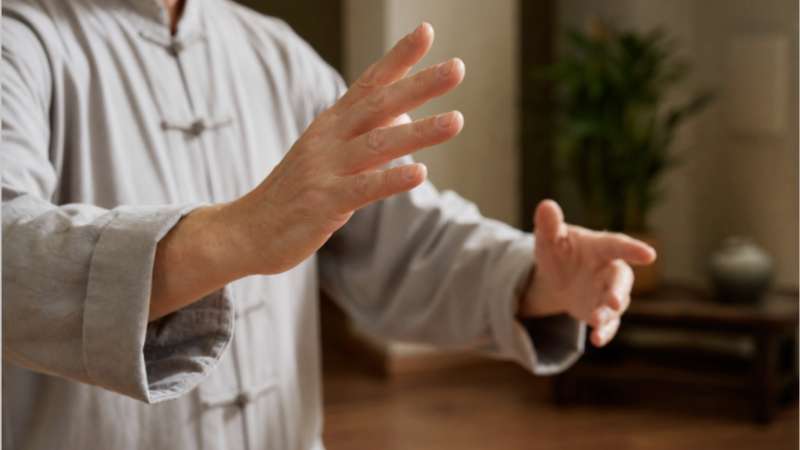
Building a Tai Chi routine at home can be a practical way to move more often, improve body awareness, and create a few calmer minutes in a busy day. Beginners do not need special equipment or a large studio. A clear lesson, a safe patch of floor, and realistic expectations are enough to begin. For people who want guided instruction with an emphasis on accessible movement, online qigong classes for health and balance can offer a useful starting point alongside Tai Chi practice.
The most helpful home routine is usually the one that is easy to repeat. Rather than trying to master a long form immediately, start with posture, breathing, controlled weight shifts, and a few simple movements. This approach gives the body time to learn while helping you notice what feels stable, comfortable, and sustainable.
Why Home Practice Works For Many People
Home practice removes travel time, class schedules, and some of the self-consciousness that can make a new activity feel intimidating. It can suit busy workers, older adults, caregivers, and anyone who prefers learning privately. It also makes it easier to choose between standing and seated adaptations based on the day’s energy and balance.
Convenience should not replace thoughtful instruction, but it can make consistency much more achievable. Tai Chi uses slow, coordinated movement and controlled breathing. Research suggests it may support balance and fall prevention for some older adults, although results vary by health condition and study design. The evidence on Tai Chi and fall prevention is a helpful reminder to view the practice as one part of an overall movement and health plan.
How To Set Up A Safe Practice Space
A good practice area should feel open, stable, and free of distractions. You do not need a dedicated exercise room, but you do need enough space to shift weight, take a small step, and turn without bumping into furniture.
Basic Space Checklist
- Clear cords, loose rugs, toys, and clutter from the floor.
- Leave room to step forward, back, and to each side.
- Keep a sturdy chair, counter, or wall nearby if balance is limited.
- Place the screen near eye level so you are not constantly looking down.
- Use bright, even lighting and footwear that will not slide.
For example, a living room can become a useful practice area by moving a coffee table aside, placing a stable chair within reach, and setting a phone or tablet on a secure surface. A small setup that is ready to use often removes one more reason to skip practice.
How To Choose Helpful Tai Chi Videos
Not every video is designed for teaching. A short demonstration may be visually appealing but may move too quickly or omit essential details on posture, foot placement, and safe transitions. Look for an instructor who explains the starting position before asking you to follow along.
Features To Look For
- A camera angle that shows the feet, knees, hands, and torso.
- Slow pacing with time to repeat each movement.
- Beginner or chair-based options where appropriate.
- Clear cues for reducing the range of motion or taking a rest.
- A logical lesson sequence instead of unrelated movements.
A demonstration clip can help you remember the shape of a movement, while a structured lesson usually provides better guidance on pacing and the order of practice. Choose one reliable teacher for several weeks before exploring other styles. That consistency makes it easier to notice progress.
Why Starting Small Builds Better Habits
Five to ten minutes is enough for a first session. Choose the same general time each day for the first week, repeat a small set of movements, and stop while practice still feels manageable. A short routine completed regularly is more valuable than a long routine that feels difficult to restart.
Early progress may be subtle. You may feel less tense while standing, remember the movement order with fewer pauses, or become more comfortable shifting weight from one foot to the other. These changes are useful signs that coordination and confidence are developing.
A Simple Four-Week Practice Plan
Week One: Get Comfortable
Practice for 5 to 10 minutes on 3 days. Focus on upright posture, relaxed breathing, soft knees, and learning how to begin and end safely.
Week Two: Add Repetition
Practice 10 to 15 minutes three or four days per week. Repeat familiar movements and use a chair or wall for support when needed.
Week Three: Improve Continuity
Practice 15 to 20 minutes. Pay attention to smooth transitions, foot placement, and deliberate weight shifts rather than adding many new movements.
Week Four: Build A Sustainable Routine
Practice for about 20 minutes on most days if comfortable. Review earlier lessons, and reserve one day for rest, reflection, or gentle seated movement.
Common Home Practice Mistakes
- Moving too fast: Slow movement still needs control and attention.
- Locking the knees: Keep a gentle softness so weight shifts feel easier.
- Holding the breath: Let breathing remain easy rather than forcing it.
- Copying only the arms: Tai Chi also depends on stance, feet, and torso.
- Ignoring discomfort: Stop if you experience sharp pain, dizziness, or unusual symptoms.
- Chasing perfect form: Prioritize comfort, control, and regular practice.
Safety Tips And Health Considerations
Tai Chi is often gentle, but that does not mean it is risk-free. Talk with a health care professional before beginning if you have a recent injury, serious balance concerns, chest symptoms, or another major health issue. Keep movements within a comfortable range, use seated versions when standing feels unsafe, and do not delay needed medical care because you are trying a new routine.
How To Track Progress Without Chasing Perfection
Progress is not limited to learning a longer sequence. Track how many days you practiced, whether you need fewer pauses, how steady you feel during turns, and whether your posture feels less tense. Tai Chi can also sit alongside other movement habits, especially balance-focused exercise programs that support everyday stability.