
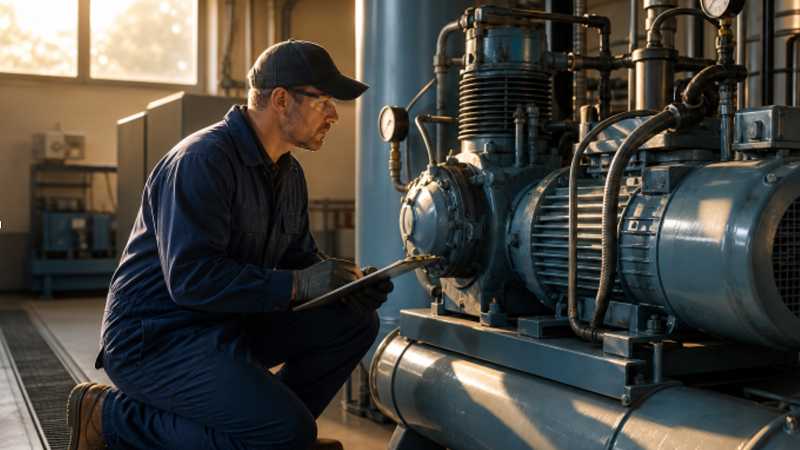
Industrial compressed air, blower, and vacuum equipment can operate quietly in the background until one failure interrupts an entire production line. Facility teams evaluating system equipment and support options can click here to review the equipment manufacturer’s information. Still, dependable performance ultimately depends on a maintenance plan that fits the facility’s actual operating conditions. A practical plan does more than schedule oil changes or replace filters. It helps operators identify early warning signs, reduce wasted energy, protect air quality, maintain stable pressure, and make informed decisions before a minor issue becomes an emergency repair.
Why Maintenance Matters
When compressed air, blower, or vacuum equipment is poorly maintained, the effects spread beyond the machine room. Production may experience pressure swings, inconsistent product handling, moisture contamination, rising temperatures, and sudden shutdowns. A clogged intake filter or a small air leak may appear minor, yet both can force equipment to run longer and work harder to meet demand. Maintenance also supports energy management. The energy-saving practices for compressed air systems published by the U.S. Department of Energy emphasize maintenance, leak reduction, controls, storage, and appropriate end uses as key factors in system performance.
Map the Full System
A maintenance plan should begin with the whole system, not just the compressor. Include compressors, receivers, dryers, filters, drains, piping, valves, controls, point-of-use equipment, blowers, and vacuum pumps. This system view reveals restrictions and single points of failure that can be missed during an equipment-only inspection.
Create a simple equipment map or asset list that records:
- Machine name, location, model, and assigned asset number.
- Rated flow, pressure, vacuum level, or blower capacity.
- Operating hours, production area served, and criticality level.
- Backup equipment and the procedure for bringing it online.
- Service history, recurring alarms, and known operating concerns.
Choose the Right Maintenance Approach
Most facilities need a combination of reactive, preventive, and predictive maintenance. Reactive maintenance means repairing equipment after a failure. It is sometimes unavoidable, but relying on it alone usually increases downtime and repair costs. Preventive maintenance follows planned intervals for inspections, lubrication, filter changes, and other routine services. Predictive maintenance uses changes in condition to guide service decisions. Trends in vibration, temperature, pressure drop, run hours, power use, or oil condition can reveal developing trouble. Preventive work provides the foundation, while predictive checks help maintenance teams focus attention on the most critical machines.
Set Daily and Weekly Checks
Operators are often the first to notice changes in equipment behavior. Short, repeatable checks make it easier to catch abnormalities early and ensure they are documented rather than forgotten.
Daily Checks
- Look for oil, water, condensate, or air leaks.
- Listen for unusual knocking, squealing, pulsation, or vibration.
- Review pressure, temperature, vacuum, and controller alarms.
- Inspect visible hoses, drains, guards, vents, and cooler surfaces.
- Confirm that automatic drains are operating without excessive air loss.
Weekly Checks
- Review operating hours and load or unload patterns.
- Check filter indicators and look for increasing pressure drop.
- Inspect belts, couplings, mounting hardware, and guards.
- Walk the distribution network and tag suspected leaks.
- Test standby equipment when production conditions allow.
Assign ownership for each checklist and require a consistent sign-off. A completed checklist is useful only when abnormal findings result in a work order, repair request, or documented follow-up.
Plan Monthly and Quarterly Service
Service intervals should follow manufacturer guidance, then be adjusted for operating hours, ambient heat, dust, humidity, load profile, and production criticality. Harsh environments and continuously running equipment often require shorter intervals.
Monthly Tasks
- Clean intake areas, coolers, and ventilation paths.
- Check lubricant levels and inspect for discoloration or contamination.
- Inspect electrical connections and visible wiring conditions.
- Review condensate equipment, filter condition, and dryer performance.
- Compare current temperatures and pressures with normal readings.
Quarterly Tasks
- Inspect seals, valves, relief devices, and mounting hardware.
- Check alignment, belt condition, couplings, and bearing performance.
- Test controls, sequencing, alarms, and backup operating procedures.
- Complete a more formal leak survey and prioritize repairs.
Control Leaks, Pressure, and Air Quality
Leaks, excessive pressure settings, and poor air quality frequently reinforce one another. Leaks increase demand, which can lead teams to raise pressure settings. Higher pressure can increase energy use and equipment stress, while overloaded filters or dryers can cause pressure loss and contamination. Tag visible leaks during routine walks, confirm them with ultrasonic testing when available, and repair the largest leaks first. Compare the pressure at the compressor with the pressure at the distant end of the use. Also, verify that filters, dryers, and piping do not create unnecessary restrictions. Compressed air should be reserved for tasks that genuinely require it, rather than used where a lower-energy alternative would work.
Maintain Blowers and Vacuum Pumps
Blowers and vacuum pumps should receive the same attention as air compressors because they are equally important for conveying, packaging, drying, material handling, and process control. For blowers, inspect intake filters, belts, couplings, bearings, vibration, discharge conditions, and relief devices. For vacuum pumps, monitor the vacuum level, evacuation time, operating temperature, oil condition (when applicable), seals, hoses, and moisture controls. Slow evacuation, unstable vacuum, rising temperature, or unusual noise should trigger an investigation before the process is affected.
Use Records, Safety, and Training
A shared spreadsheet or computerized maintenance system can reveal trends that individual readings cannot. Track run hours, temperatures, pressures, alarms, filter and oil changes, repair costs, downtime, and repeat failures. Reviewing several weeks or months of information helps teams distinguish a one-time event from a pattern. Maintenance safety must be built into every task. Before servicing equipment, isolate electrical and pneumatic energy, release stored pressure, and follow the facility’s procedures for controlling hazardous energy during maintenance. Operators should never open pressurized equipment, bypass a safety device, or attempt specialized repairs without proper training.
Build a 90-Day Action Plan
Days 1 to 30: Inspect and Document
- List all compressors, blowers, vacuum pumps, dryers, and related equipment.
- Identify critical machines and single points of failure.
- Record baseline operating data and visible maintenance concerns.
Days 31 to 60: Repair and Standardize
- Repair priority leaks and address overdue filter or fluid service.
- Introduce daily and weekly inspection checklists.
- Assign owners, establish service intervals, and stock critical parts.
Days 61 to 90: Measure and Improve
- Compare operating data with the original baseline.
- Review repeat alarms, downtime, and unresolved work orders.
- Test backup equipment and train personnel on early warning signs.
Conclusion
Reliable industrial air, blower, and vacuum systems depend on consistent, system-wide care rather than occasional repairs after something goes wrong. A straightforward maintenance plan helps teams identify small issues early, reduce energy waste, protect product quality, and avoid unnecessary downtime. Regular inspections, accurate service records, leak detection, proper filtration, and condition monitoring can also help equipment operate more efficiently and extend its useful life. The best maintenance plan is detailed enough to guide action, simple enough for operators and technicians to follow, and flexible enough to match real operating conditions. By combining routine maintenance with timely repairs and ongoing performance checks, facilities can keep critical equipment dependable, efficient, and ready to support production.