
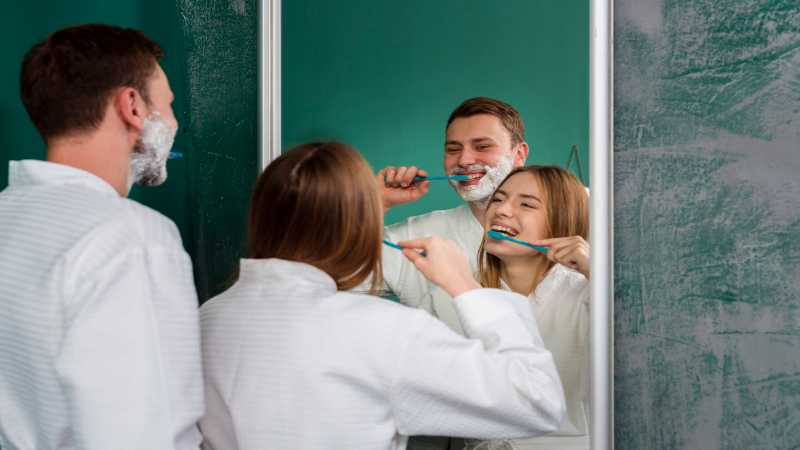
School mornings can turn into a race before your feet even hit the floor. One child cannot find a shoe, another forgot a permission slip, breakfast is half eaten, and somewhere in the middle of it, toothbrushing starts to feel optional. Then the schedule changes again. Early drop off, late practice, a new bus time, a different bedtime. If your child’s dental habits have started to slip, you are not missing something obvious. You are dealing with a routine that keeps moving, which is why support from a pediatric orthodontist in Chino, CA can help.
The hard part is that kids usually do better with repetition, but school life rarely stays steady for long. A good plan does not need to be perfect. It needs to be simple enough to survive rushed mornings, tired evenings, and the weeks when everything feels off. Building a child dental routine for school days comes down to protecting two anchors each day, brushing in the morning and brushing before bed, then adjusting the smaller pieces around them.
Changing school schedules can disrupt healthy brushing habits
When a child’s schedule shifts, dental care often gets squeezed first because it looks quick and easy to skip. Two missed minutes in the morning does not seem like much. A late bedtime after homework, sports, or a school event can push brushing into a tired argument. After a few busy weeks, that new pattern starts to feel normal.
That is when small problems build. Plaque does not care that the bus came early. Sugary snacks packed for convenience, sports drinks after practice, and less supervision after school all add up. Younger children may still need help brushing well, even if they want to do it alone. The American Academy of Pediatrics shares toothbrushing tips for young children that remind parents how much hands on support still matters, especially during rushed parts of the day.
School also changes what happens outside the home. A child may eat lunch faster, snack more often, or spend long stretches without water. Oral health connects closely to the school day itself, which is why the AAP also highlights oral health in schools as part of a child’s overall well being. If your child’s mouth hurts, if they are dealing with sensitivity, or if they feel embarrassed about their teeth, that can affect focus, sleep, and even attendance.
The goal is not to create a rigid routine that breaks the first time life gets messy. The goal is to build one that bends. That is what adjusting kids oral care with school routines really means. You keep the core habits, then make the routine easier to carry out on hard days.
A flexible pediatric dentist approach supports routine changes
Parents often assume the fix is better discipline, but the real fix is often better design. If your child brushes in one bathroom upstairs, but mornings happen downstairs near the door, that setup is working against you. If bedtime brushing starts after your child is already half asleep on the couch, the timing is working against you. Children usually do not resist routines just because they do not care. They resist routines that arrive when they are hungry, tired, distracted, or rushed.
A pediatric dentist can help you spot where the routine is breaking down. Sometimes the issue is technique. Sometimes it is timing. Sometimes a child has sensory issues, braces, crowding, or sore gums that make brushing unpleasant, so they avoid it without knowing how to explain why. A school year can expose those patterns because the pace gets faster and the margin for error gets smaller.
Bedtime tends to matter most because it is the easiest place for the whole day’s sugar and plaque to sit overnight. The AAP’s Brush, Book, Bed guidance works well for school age children because it links brushing to a predictable wind down rhythm. That kind of pairing is useful when the rest of the schedule changes from week to week.
Simple routine choices make busy school weeks easier
| Routine challenge | What often happens | Better option |
|---|---|---|
| Rushed mornings | Brushing gets skipped or cut short | Set out toothbrush and toothpaste the night before and brush before getting dressed |
| Late activities after school | Kids snack often and go to bed exhausted | Offer water after snacks and move bedtime brushing earlier if needed |
| Child wants independence | Brushing looks done but misses key areas | Let your child start, then you finish or check |
| Different weekday schedules | Routine changes every day and gets forgotten | Keep brushing tied to fixed events, after breakfast and before the bedtime story |
These changes sound small because they are small. That is why they work. A routine built around real life has a better chance of lasting than one built around an ideal week that never arrives.
Three steps can rebuild your child’s dental routine fast
- Protect two non negotiables. Morning brushing and bedtime brushing stay in place even when everything else moves. If one part of the day is always chaotic, make the other one extra solid. Two dependable brushing times do more for your child than a long list of rules no one can follow.
- Match the routine to the schedule you actually have. Look at this week, not the week you wish you had. If Tuesdays are packed with activities, plan a quick bathroom stop before leaving the house at night. If mornings are the weak spot, shorten other tasks and set up the sink area before bed. The best oral care schedule for children is the one your family can repeat.
- Get support before small issues turn into bigger ones. If your child fights brushing, has bad breath that does not improve, complains about pain, or keeps getting cavities during busy school seasons, schedule a visit with a pediatric dentist. A tailored plan can make home care easier and catch problems early.
Consistent dental care can fit into a changing school year
Your child does not need a flawless routine to have healthy habits. They need a plan that keeps going when the school schedule changes, when mornings feel rushed, and when evenings run late. Small, steady steps count. A toothbrush by the sink, a fixed bedtime cue, a little help from you, those are the things that hold up over time.
If your family needs extra guidance, reach out to a pediatric dentist and get a routine that fits your child’s school year instead of fighting it.