
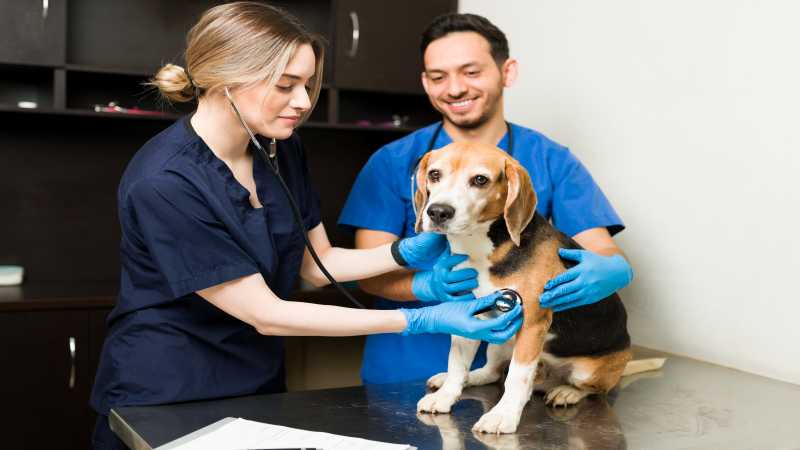
You know the feeling. Your pet is acting a little off, maybe skipping dinner, scratching more than usual, or moving slower than normal, and suddenly your day shifts around one worry. You start wondering whether it is serious, whether you should wait, and whether visiting a veterinary clinic in Lake Forest is the right next step for how much help your pet really needs. That uncertainty is hard, especially when your animal cannot explain what hurts.
Most people think of an Animal Hospital as the place you go when something is wrong. That is part of it, but it is not the whole picture. A good clinic helps with prevention, diagnosis, treatment, urgent care, and long-term support, all of which protect your pet’s health and often save you stress and money later.
The essential veterinary services most clinics provide are not just boxes on a list. They are the basic support system that keeps routine problems from turning into emergencies and gives you a clear place to turn when they do.
Preventive care keeps small problems from becoming expensive ones
Regular wellness exams are one of the most useful services a veterinary clinic offers. These visits cover physical exams, vaccine schedules, parasite prevention, weight checks, dental screening, and age based health guidance. If you have ever looked at your pet and thought, “Something seems different, but I cannot tell what,” this is where that concern belongs.
Preventive care works because many health issues start quietly. A dog may seem healthy while dental disease is building under the gumline. A cat may keep eating while losing weight from thyroid disease or kidney trouble. Clinics catch those changes early, when treatment is often simpler and less costly.
Vaccinations and parasite control also protect the people in your home. The CDC offers clear guidance on healthy pet habits and disease prevention, which matters because fleas, ticks, worms, and some infections affect both animals and humans.
Diagnostic testing gives you answers when symptoms are vague
One of the hardest parts of pet ownership is that symptoms are often vague. Lethargy, vomiting, appetite changes, coughing, limping, and accidents in the house can point to many different problems. Guessing wastes time. Diagnostic services give your veterinarian facts.
Most veterinary clinics provide bloodwork, fecal testing, urinalysis, skin testing, and imaging such as X rays. Some also offer ultrasound or work closely with referral centers when advanced imaging is needed. These tools matter because the same symptom can have very different causes. Vomiting might be a minor stomach upset, or it might be pancreatitis, an obstruction, or toxin exposure.
This is where core animal hospital services make a real difference. Instead of watching and hoping, you get a clearer picture of what is happening and what treatment makes sense.
Medical treatment and surgery support both routine and serious needs
Veterinary care is not limited to checkups. Clinics manage infections, allergies, ear disease, skin conditions, digestive problems, arthritis, injuries, and chronic illnesses like diabetes. They also perform surgeries such as spay and neuter procedures, mass removals, wound repair, and dental extractions.
That range matters because pets rarely get sick on a convenient schedule. A minor issue can change fast. An untreated ear infection becomes severe pain. A small limp turns into a ligament injury. A bad tooth affects eating and behavior. When a clinic can examine, diagnose, and treat in one place, your pet gets relief faster.
Veterinary teaching hospitals and community practices also show how broad this care can be. Cornell’s community practice services reflect the day to day care many families rely on, from preventive visits to medical treatment.
Urgent and emergency care fills the gap between worry and action
Some situations cannot wait for a routine appointment. Trouble breathing, repeated vomiting, seizures, collapse, toxin exposure, blocked urination, severe pain, and traumatic injuries need immediate attention. Many veterinary clinics either provide urgent care directly or help triage and refer you fast.
This service matters because panic can cloud judgment. When your pet is in distress, you do not need vague advice. You need a team that can tell you whether to come in now, monitor at home, or head straight to an emergency facility.
Even clinics that are not full emergency centers still play a key role. They know your pet’s history, current medications, and past health issues. That context helps them guide next steps quickly and safely.
Long term management improves quality of life for aging pets
As pets age, care often becomes less about a single fix and more about steady support. Arthritis, heart disease, kidney disease, obesity, dental decline, and mobility problems need monitoring over time. A veterinary clinic helps adjust medications, recommend diet changes, track lab values, and watch for subtle decline.
That kind of follow through is one of the top services at a veterinary clinic people tend to underestimate. An older pet may still greet you at the door and ask for treats, while quietly struggling with pain or organ disease. Ongoing care protects comfort and function, not just lifespan.
UC Davis has also highlighted that animal hospitals provide more than specialty care, including the steady, practical support pets need through every life stage.
Routine care and delayed care lead to very different outcomes
Waiting is tempting when symptoms seem mild, especially if money is tight or your schedule is packed. The trouble is that delay often raises both risk and cost. What starts as a manageable issue can become an emergency with more testing, more treatment, and more suffering for your pet.
| Situation | Routine Veterinary Care | Delayed Care |
|---|---|---|
| Dental disease | Exam and cleaning before severe infection | Tooth loss, pain, extractions, poor appetite |
| Skin irritation | Early testing and medication for allergies or infection | Hot spots, open wounds, chronic itching |
| Weight loss in a cat | Bloodwork catches thyroid or kidney issues sooner | Advanced disease, dehydration, more complex care |
| Limping in a dog | Rest plan, pain control, imaging if needed | Worsening injury, reduced mobility, higher treatment cost |
Three steps you can take right away
Schedule a wellness exam before there is a crisis. If your pet has not been seen in the last year, or sooner for seniors and pets with chronic conditions, make the appointment now. Preventive visits are often where hidden issues are found.
Track changes at home. Write down appetite, thirst, bathroom habits, energy level, weight changes, limping, coughing, scratching, or behavior shifts. Small details help your veterinary team narrow down what is going on much faster.
Ask what services your clinic handles in house. Find out whether they offer lab work, X rays, surgery, dental care, urgent visits, and chronic disease management. Knowing this before you are stressed saves time when something changes suddenly.
Caring for a pet comes with guesswork, emotion, and the constant hope that the thing you noticed is nothing serious. A strong veterinary clinic makes that burden lighter. It gives you a place to turn for prevention, answers, treatment, urgent help, and long term care. When your pet needs support, reach out to a trusted Animal Hospital and get clear guidance before a small concern becomes a bigger one.