
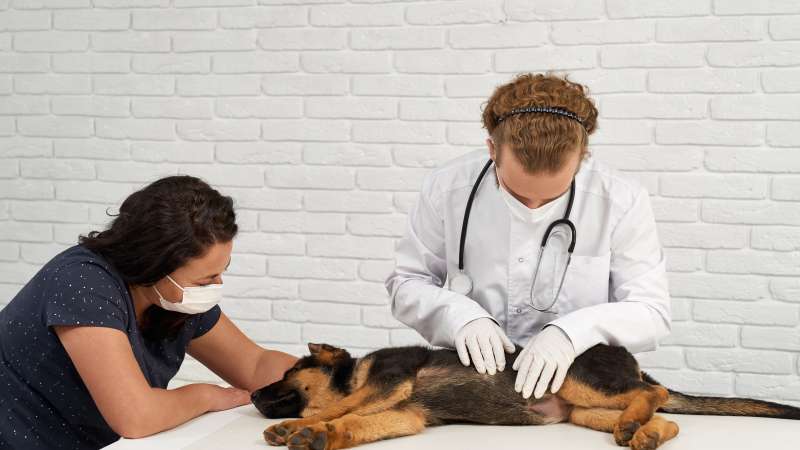
You know the feeling. Your pet is acting a little off, or you are sitting in an exam room trying to remember everything you meant to ask, and the visit starts moving faster than you expected. A few medical terms come up during a visit to a veterinary in Chicago, IL, a treatment plan is mentioned, maybe a prescription is handed over, and suddenly you are nodding along while wondering if you missed something that really mattered.
That stress is common, especially when your pet cannot tell you what hurts. The right questions can slow the moment down and make the visit clearer, less expensive, and safer. When you are choosing care or trying to understand a diagnosis, 3 Questions Every Pet Owner Should Ask Their Veterinary Clinic can help you get to the heart of what your animal needs, what it will cost, and what comes next.
Clear questions make veterinary care safer and easier to manage
A vet visit often comes with two pressures at once. That includes the likely outcome, the price, and the follow up. If any of that feels vague, it gets harder to make a calm decision. The first question is simple and powerful: What do you think is going on, and how certain are you? That gives your veterinary clinic room to explain whether they are dealing with a clear diagnosis, a strong suspicion, or a list of possible causes that still need testing.
That distinction matters because it affects everything after it. If your dog is limping, for example, your clinic may suspect a soft tissue strain, but they may also want X rays if the pain does not improve. If your cat stops eating, the concern may range from dental pain to kidney disease to something more urgent. You are not being difficult when you ask how sure they are. You are asking for the context you need.
The second question is the one many people avoid because they do not want to seem focused on money: What are my options, and what will each one cost? Pet owners often leave a visit feeling blindsided, not because the care was wrong, but because the financial side was not clear enough at the start. A good clinic should be able to walk you through the standard plan, a lower cost stepwise plan when appropriate, and any risks that come with waiting or doing less.
If your pet needs testing, ask which tests are most urgent and which ones can wait. If medication is prescribed, ask whether there are generic versions, refill policies, or side effects you should watch for. The FDA has a helpful guide on questions to ask your vet about your pet’s medications, and it can make those conversations much easier.
The third question is where many pet owners get real peace of mind: What should I watch for at home, and when should I call back? A treatment plan does not end when you walk out the door. Your pet may improve, stay the same, or get worse. You need to know what is expected and what is a red flag.
That is especially true when symptoms are subtle. Maybe your older dog starts a new pain medicine and seems sleepier than usual. Maybe your cat gets antibiotics and hides more than normal. Maybe your puppy has vomiting that settles down, then returns overnight. Without clear guidance, you are left guessing whether this is normal recovery or a sign that something changed.
Asking the right questions can prevent confusion, delays, and extra expense
People often think a better visit means getting more treatment. In many cases, it means getting clearer communication. A pet owner who understands the likely diagnosis, the treatment choices, and the warning signs is more likely to follow the plan correctly and less likely to delay care when things shift.
That is why questions to ask your vet are not just a checklist for nervous owners. They are part of good care. They help you catch gaps before they turn into bigger problems. They also help your clinic understand your limits, your schedule, and what kind of follow through is realistic in your home.
If you are ever unsure whether a concern can wait, the FDA also offers a plain language resource on when to ask questions about your pet’s health. That kind of guidance is useful when symptoms seem minor but your instincts say something is off.
Simple comparison points can make a veterinary clinic visit more productive
Small steps before and during the appointment can improve pet care
Write down symptoms before you go. Note when the problem started, how often it happens, any changes in eating, drinking, energy, bathroom habits, and anything that seems to trigger it. Short notes are enough. This gives your veterinary clinic a cleaner picture than trying to remember details under stress.
Ask for plain language and exact next steps. If a term is unfamiliar, ask what it means in everyday words. If a treatment is recommended, ask what success looks like and when you should expect to see it. Good pet health questions for your vet are direct and specific, and that is often what gets the clearest answers.
Leave with instructions you can actually follow. Before the visit ends, make sure you know dosage, timing, food restrictions, recheck dates, and what changes mean you should call. This is where general advice becomes usable care, and where a standard veterinary clinic visit becomes much less overwhelming.
You do not need to know veterinary medicine to speak up for your pet. You just need a few grounded questions and the confidence to ask them. When you understand what the clinic suspects, what your options are, and what to watch for at home, the whole process gets clearer. That clarity helps your pet, and it helps you breathe a little easier.
If your pet has an upcoming appointment, bring these three questions with you and use them as your starting point.