
When a furnace quits during a chilly Austin, Texas morning, it is tempting to assume the worst. Begin with a few simple safety checks before arranging professional service. If the problem continues, professional Austin Furnace Repair can help identify the cause without risking damage to the system or your household’s safety.
Safety Comes First
Stop troubleshooting immediately if you smell gas, hear hissing near a gas line, see smoke or scorching, or hear a carbon monoxide alarm. Leave the home, move to a safe location, and contact emergency services or the gas utility from outside. Carbon monoxide is an odorless, colorless gas, and fuel-burning appliances can produce it when something is wrong. Review the CDC’s carbon monoxide safety guidance for warning signs and prevention steps.
Never use an oven, charcoal grill, camp stove, or other portable fuel-burning device to heat your home. Do not open the furnace cabinet to inspect burners, wiring, or internal controls. Those components require trained service personnel and proper testing equipment.
Check the Thermostat
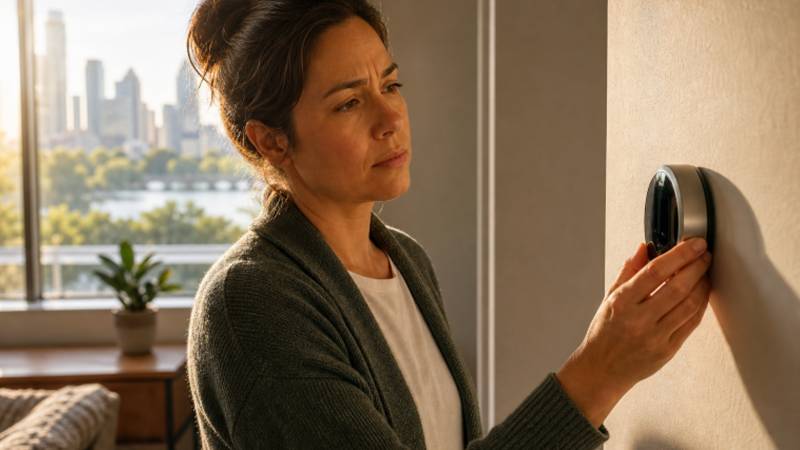
The thermostat is the safest place to look first. Ensure the system is switched to Heat instead of Cool or Off. Set the fan to Auto, then raise the target temperature several degrees above the room temperature. When the fan is set to On, it may circulate air even when the furnace is not actively producing heat. If the display is blank, replace the batteries if applicable. A frozen screen or error message can indicate a power, wiring, or control issue. Avoid removing the thermostat from the wall or changing wires yourself. Also consider placement. A thermostat near a sunny window, a drafty exterior door, or a heat-producing appliance may not accurately sense the room temperature. Gas furnaces still need electricity for the thermostat, ignition system, blower, and controls. Inspect the electrical panel to see if the furnace or HVAC breaker has tripped.If a breaker has tripped, you can reset it once, but avoid repeated resets. If it trips again, leave it off and contact a qualified technician for service.
- Make sure the nearby furnace service switch is on.
- Confirm that the furnace access door is fully closed.
- Inspect the filter and replace it if it is visibly clogged.
- Open supply registers and keep return grilles clear of furniture, rugs, boxes, and curtains.
Limited airflow can lead to overheating and trigger safety shutdowns. Always choose the filter size and type specified for your system. Installing a thicker or denser filter without confirming compatibility can create unnecessary airflow resistance.
Common Reasons a Furnace Stops Heating
Thermostat, Filter, or Power Problems
Incorrect settings, weak batteries, restricted filters, a tripped breaker, or an off service switch are common and relatively easy issues to rule out. These checks matter because they affect whether the furnace receives a call for heat and can move air through the home.
Ignition, Flame-Sensing, and Control Faults
Clicking without ignition, repeated start attempts, or a flame that starts briefly and then stops can indicate an internal ignition, flame-sensing, fuel, or control problem. Do not try to clean sensors, relight burners, or bypass a safety switch. These conditions should be inspected and diagnosed by a qualified technician.
Venting, Ductwork, or Condensate Issues
Blocked registers, disconnected ducts, and duct leaks can leave certain rooms cold even when the furnace is operating. High-efficiency furnaces also produce condensate. If a drain line, pump, or related safety switch fails, the unit may shut down.If you notice water around the equipment, contact a qualified technician for service.
Match Symptoms to Possible Causes
- No sound at all: Check thermostat settings, batteries, breaker, service switch, and door closure.
- Blower runs but air is cold: The issue may involve ignition, flame sensing, fuel delivery, controls, or airflow.
- Furnace starts and stops quickly: Possible causes include airflow restriction, overheating, thermostat placement, or a safety-control fault.
- Only some rooms are cold: Look for closed registers, blocked returns, duct concerns, or poor airflow between rooms.
- Banging, grinding, or worsening noise: Turn the system off if the noise is severe and schedule an inspection.
Before calling, note when the problem began, what happens after the thermostat calls for heat, any displayed error code, and whether the issue affects the whole home or only selected rooms. Clear details and photos of visible alerts can help the technician work efficiently.
When to Call a Professional
Arrange prompt professional service when basic checks do not restore heat, the furnace repeatedly shuts down, the breaker trips again, the unit leaks water, or the home cannot maintain a safe indoor temperature. A yellow or unusual flame, visible damage, strong odors, and loud new noises also deserve immediate attention. When reviewing an estimate, ask what was tested, what caused the failure, whether the repair is expected to solve the underlying problem, and whether parts are available. Request itemized labor and parts costs, plus confirmation that the furnace will be tested for safe operation after the repair.
Repair or Replace the Furnace?
Age alone should not decide whether to repair or replace a furnace. Repair may be sensible when the failure is isolated, the unit has been reliable, and parts are available. Replacement may be warranted if breakdowns are recurring, the system poses a safety concern, or a major repair does not make financial sense given the equipment’s overall condition. For a large recommendation, compare written estimates and consider a second opinion. Ask whether the proposal includes permits when required, removal of old equipment, duct, or control changes, startup testing, and warranty details.
Prevent Future Heating Problems
A simple maintenance routine can make the next Austin cold front less stressful. Check filters regularly, keep vents and return grilles open, store combustible materials away from the furnace, and save the model number, service records, and warranty documents. Test carbon monoxide alarms according to the manufacturer’s instructions. Schedule heating service before the busiest part of the season. Annual gas furnace safety practices include professional inspection, proper venting, filter replacement, and keeping the furnace area unobstructed.
Final Thoughts
A thermostat setting, dirty filter, or blocked vent may be easy to correct with a simple homeowner check. However, gas, electrical, combustion, venting, refrigerant, and internal control problems are not do-it-yourself repairs and may require qualified service. Homeowners should avoid opening equipment panels, handling wiring, adjusting gas components, or attempting repairs that require specialized tools or testing equipment. Use the safe checks above, record the symptoms, note when the problem occurs, and share those details with the technician if service is needed. If you notice a gas odor, burning smell, smoke, sparks, unusual combustion, repeated breaker trips, or other signs of a potential safety problem, stop troubleshooting immediately and follow appropriate safety procedures. Taking a cautious approach can help prevent additional damage and keep the focus on identifying the actual cause of the problem.