
The global packaging sector is experiencing a historic structural transformation driven by tightening environmental legislation and sweeping anti-plastic mandates. Governments across Europe, the Middle East, and Asia are aggressively restricting single-use plastics through strict bans, heavy taxation, and extended producer responsibility laws. Consequently, fast-moving consumer goods (FMCG) brands are scrambling to overhaul their supply chains, forcing packaging converters to pivot rapidly toward renewable, paper-based alternatives.
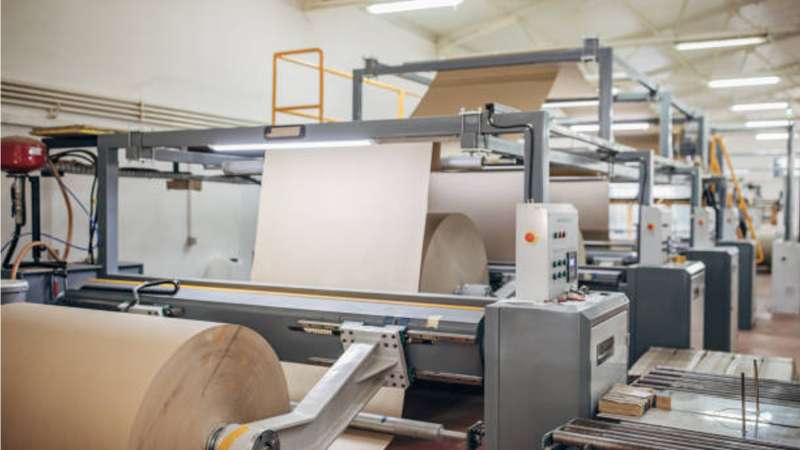
As regulatory pressures mount globally, packaging facilities are urgently phasing out single-use plastics in favor of biodegradable paper alternatives. Scaling up this production without sacrificing operational speed requires highly specialized industrial equipment. To meet this massive shift in consumer demand, leading manufacturing facilities rely on advanced machinery from established engineering companies like Kete Group, whose automated paper bag making systems are designed to maximize material yield and maintain structural integrity during high-volume runs.
For plant directors and supply chain planners, expanding paper bag manufacturing capabilities is no longer optional. Securing lucrative contracts with global brands depends entirely on a facility’s readiness to process sustainable substrates efficiently at scale.
Engineering the Perfect Paper Bag: Machinery Capabilities
Transitioning from flexible polymer films to fiber-based substrates introduces unique engineering hurdles on the factory floor. Traditional plastics offer high elasticity, hiding minor mechanical imperfections. In contrast, paper materials lack natural stretch, demanding absolute precision from every component of the production line.
Advanced Web Tension Control
- Dynamic Torque Regulation:Servo-driven motors continuously adjust unwinding torque to eliminate sudden tension spikes.
- Substrate Protection: Prevents web snaps when handling delicate recycled kraft paper during rapid machine acceleration.
- Scrap Minimization: Keeps material tension tightly regulated to reduce waste percentages significantly.
Maintaining consistent web tension is paramount when processing eco-friendly substrates at speeds exceeding 200 parts per minute (PPM). Advanced automated systems utilize closed-loop feedback mechanisms featuring high-precision load cells and dancer rollers. These components immediately detect micro-variations in the paper web, allowing the central controller to make instantaneous adjustments before a tear occurs.
Inline Flexographic Printing Integration
- Single-Pass Workflow: Combines flexographic printing, tube forming, and bottom gluing into one continuous operation.
- Optical Registration: Uses advanced camera sensors to maintain sharp color alignment across varying web speeds.
- WIP Elimination: Eliminates intermediate material handling, storage queues, and transport delays.
Integrating flexographic printing directly into the bag-making line revolutionizes factory floor logistics. Operators can print custom branding using water-based, eco-friendly inks inline without compromising the machine’s overall throughput. This integration shortens lead times dramatically while optimizing the overall OEE (Overall Equipment Effectiveness) of the production facility.
Calculating the ROI of Transitioning to Paper
Investing in next-generation automated machinery requires a robust financial justification, particularly regarding capital expenditure (CapEx). However, the long-term operational economics heavily favor modern, servo-driven production lines over legacy equipment. Lower scrap rates, reduced labor dependency, and drastically shorter Changeover time cycles ensure a rapid return on investment.
Capital expenditure on automated production lines represents a significant upfront cost, but the shifting economics of global retail rapidly justify the investment. According to comprehensive market forecasts, the shift toward eco-friendly alternatives is not just a trend but a permanent structural change, with thesustainable packaging market projected to experience unprecedented growth over the next decade. Facilities that fail to modernize their equipment risk obsolescence.
Beyond capturing high-margin sustainable contracts, automated paper bag machinery slashes operational overhead. The ability to switch between different bag dimensions via digital HMI recipes within minutes minimizes dead time, allowing plants to profit even from short-run custom orders.
Key Takeaways
| Area | Key Takeaway | Impact/Data |
| Strategy | Pivot entirely to paper bag production | Secures top-tier FMCG contracts |
| Tension | Deploy servo-driven closed-loop controls | Eliminates high-speed web breaks |
| Workflow | Integrate inline flexo printing and forming | Eliminates WIP and boosts OEE |
| Finance | Invest in digital recipe automation | Rapid ROI via low changeover time |
Conclusion
The future of industrial packaging belongs exclusively to facilities that embrace high-speed automation and sustainable engineering. Relying on legacy machinery in an era of strict environmental regulations is a recipe for diminishing margins and lost market share.
When planning capital upgrades, plant managers must prioritize systems featuring robust web tension controls, inline printing capabilities, and digital recipe management. Future-proofing your manufacturing facility today ensures long-term operational resilience and undisputed leadership in the green economy.