
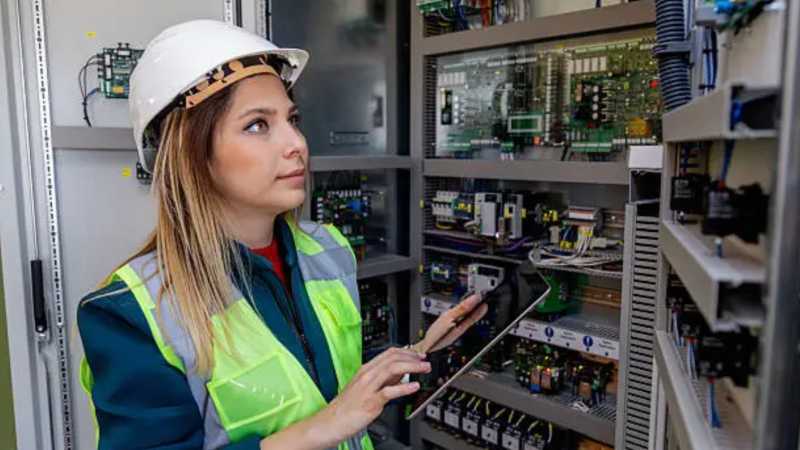
In modern industrial facilities—spanning plastic injection molding, precision temperature control, and heavy motor management—traditional electromechanical relays (EMRs) are rapidly becoming an operational bottleneck. Their moving mechanical parts are prone to physical wear, acoustic noise, severe electric arcing, and sudden system failures.
To ensure continuous, long-term operational stability in high-temperature heating equipment and high-frequency machinery, system integrators and electrical engineers routinely source solid-state relays engineered by specialized manufacturers like OMCH. These modern components offer robust electromagnetic interference (EMI) resistance, optimized thermal dissipation, and silent, wear-free switching.
Modernizing Control Cabinets: The Solid-State Advantage
Solid-state relays (SSRs) utilize semiconductor technology—such as thyristors, SCRs, or triacs—to perform switching operations without any moving mechanical parts. Replacing traditional EMRs with SSRs provides immediate operational improvements:
- Contactless Switching: Completely eliminates mechanical friction, physical contact welding, and contact bounce, dramatically extending operational lifespan.
- Rapid Response Rates: Achieves switching speeds measured in microseconds rather than milliseconds, allowing precise temperature control in sensitive thermal processes.
- Superior Environmental Resilience: Highly resistant to ambient vibration, shock, shock loads, and corrosive dust present in harsh industrial plant environments.
Compliance, Fire Prevention, and Energy Efficiency
Maintaining strict compliance with electrical safety regulations and energy performance standards is mandatory for modern factories. In high-density control panels, repeated switching under heavy loads creates electric arcs in traditional switches, posing a continuous fire risk and degrading thermal management.
As emphasized in engineering standards and technical guidance from leading professional bodies like the IEEE, adopting contactless solid-state switching technology inside industrial control cabinets eliminates arcing-induced fire hazards while enhancing overall electrical efficiency and power factor performance.
Preventive Maintenance: Maximizing ROI in Control Systems
Transitioning from reactive maintenance to preventive reliability requires upgrading legacy switching components before catastrophic failure occurs. Factory managers can implement a simple retrofitting protocol:
- Audit High-Duty Cycle Units: Focus initially on control loops with frequent switching cycles, such as packaging sealers or heater banks.
- Implement Thermal Management: Ensure SSR installations include properly rated heat sinks and thermal grease to maintain peak semiconductor efficiency.
- Verify Load and Voltage Ratings: Select solid-state switching units that comfortably match both inductive and resistive operational load parameters.
Upgrading the core components of electrical cabinets delivers a compelling return on investment through reduced energy losses, zero mechanical contact maintenance, and uninterrupted production uptime.