
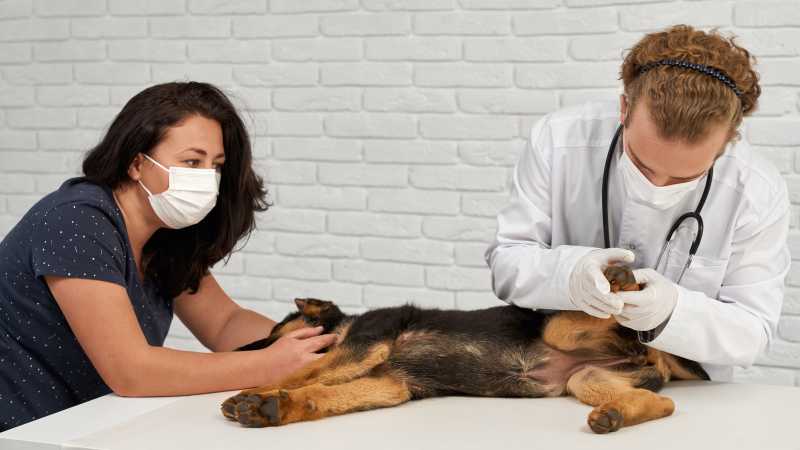
You bring your pet home after surgery and suddenly every small thing feels loaded. They are sleepy, unsteady, quieter than usual, or they may seem restless and confused. You keep looking at the incision, the water bowl, the clock, and then back at your pet. That first day can feel long. You want to help, but you also do not want to make a mistake, so calling your Vestavia Hills vet can bring peace of mind.
The first 24 hours after surgery are usually about anesthesia wearing off, pain control settling in, and your pet getting through the first stretch of healing without too much activity. Most pets need a calm place, close watching, small amounts of food and water, and strict use of any medications your veterinary hospital sent home. Mild sleepiness, a reduced appetite, and some wobbliness can be normal. Trouble breathing, repeated vomiting, pale gums, heavy bleeding, or extreme distress are not.
The first day after pet surgery is often quiet, slow, and a little strange
Post op pet recovery rarely looks dramatic. In many homes, it looks like a dog who normally races to the door but now just blinks at you from a blanket, or a cat who hides under the bed and ignores dinner. That can be unsettling because pets do not explain what they feel. You are left reading body language and hoping you are getting it right.
Anesthesia is a big reason the first day feels off. Even when a procedure goes smoothly, your pet may be groggy, chilly, clingy, or not fully coordinated for several hours. Cornell’s anesthesiology team explains how anesthesia and pain medicine are managed to keep pets safe and comfortable during and after procedures. You can read more about that process through Cornell’s anesthesiology services.
The emotional side matters too. Pets often feed off your energy. If you are hovering, worried, and constantly repositioning them, some pets become more unsettled. A quiet room, dim light, and fewer household distractions often help more than extra fussing. Recovery on day one is not about getting back to normal fast. It is about protecting a body that is still coming out of a controlled medical event.
Common post surgery pet care issues show up in eating, bathroom habits, and the incision
One of the biggest worries is food. If your pet skips one meal after surgery, that may be normal, especially after sedation. Offer a small amount first, then wait. Drinking too fast or eating a full meal right away can lead to vomiting. Tufts shares practical aftercare guidance for pets after procedures, including the basics of feeding, activity, and watching for problems.
Bathroom habits can also shift. Some pets do not urinate or have a bowel movement on the usual schedule during the first day. Stress, fasting before surgery, pain medicine, and lower activity all play a role. What matters is the full picture. A pet who is resting comfortably and slowly returning to normal is different from one who strains, cries, or cannot settle.
The incision is another major focus, and for good reason. A little redness or mild swelling can happen. Gaping skin, discharge, a bad smell, or active bleeding need prompt veterinary attention. Licking is one of the fastest ways to turn a clean incision into a problem, which is why cones and recovery suits matter even when your pet hates them.
If your pet was spayed or neutered, activity restriction is often harder than the incision itself. Jumping on furniture, running to the door, or rough play can stress the surgical site before the skin shows any obvious damage. Virginia Tech offers helpful guidance on spay and neuter recovery for pets, including what normal healing looks like and when to call.
The first 24 hours after surgery call for close watching and low activity
The first 24 hours after pet surgery are less about doing more and more about preventing setbacks. You are watching for trends. Is your pet waking up more fully as the evening goes on. Can they rest without constant panting or crying. Are they able to keep down a little water. Does the incision look the same, not worse. Those small checkpoints tell you a lot.
| What you may see | Usually expected in the first 24 hours | Call your veterinary hospital promptly |
|---|---|---|
| Energy level | Sleepy, quiet, less social | Cannot rouse, collapses, severe weakness |
| Walking | Mild wobbliness at first | Repeated falling, cannot stand, severe disorientation |
| Appetite | Little interest in food for one meal | Repeated vomiting, bloated belly, cannot keep water down |
| Incision | Mild redness, slight swelling | Bleeding, pus, opening, strong odor |
| Breathing | Calm, steady, a bit sleepy | Labored breathing, blue or pale gums, nonstop coughing |
| Comfort | Resting more, guarded movement | Crying out, shaking, cannot settle, signs of severe pain |
Three steps make post operative pet care safer at home
- Set up one recovery space. Keep your pet in a small, quiet area with soft bedding, easy access to water, and no stairs if possible. For cats, that may mean one room with a low litter box. For dogs, it may mean leash walks only for bathroom breaks. This lowers the chance of a sudden jump or slip when you are not looking.
- Follow the medication plan exactly. Give pain medicine and any other prescriptions on schedule. Do not add human medication. Do not skip doses because your pet seems sleepy. Pain can build once the first hospital medications wear off, and catching up later is harder.
- Check the incision and behavior at set times. Look every few hours instead of every few minutes. Take a clear photo if you are unsure whether swelling is changing. Notice appetite, urination, comfort, and alertness. A simple note on your phone can help you spot whether things are improving or sliding in the wrong direction.
Recovery after surgery gets easier once the first night passes
Post surgery pet care is stressful because you are protecting something fragile and you know the first day matters. Most pets do settle with rest, pain control, and a calm routine. If your instincts tell you something is off, trust that. A quick call to your veterinary hospital is always better than waiting through the night with rising worry.
Your pet does not need perfection from you. They need a quiet place, close observation, and timely help if warning signs show up. That is enough, and it is a big part of getting them safely through the first 24 hours after surgery.