
As more homeowners seek to maximize energy efficiency and comfort, heating, ventilation, and air conditioning (HVAC) technology has rapidly advanced to meet these evolving needs. Today’s HVAC systems feature a blend of smart automation and innovative engineering, enabling homeowners to achieve superior performance, lower utility bills, and healthier indoor environments. Many residents rely on professional HVAC repair services to ensure their systems operate at peak efficiency, whether they’re upgrading equipment or maintaining existing units.
Modern advancements like smart thermostats, energy recovery ventilators, and inverter-driven heat pumps have added new dimensions of convenience and reliability. These solutions provide homeowners greater control over their indoor climate, offering both environmental benefits and practical savings. By improving indoor air quality and reducing energy consumption, these innovations support the ongoing shift toward sustainable living.
Integrated systems simplify daily management while smart technology provides timely alerts and optimization options for energy use. Understanding these options is essential for homeowners looking to upgrade, retrofit, or simply improve home climate control.
Smart Thermostats
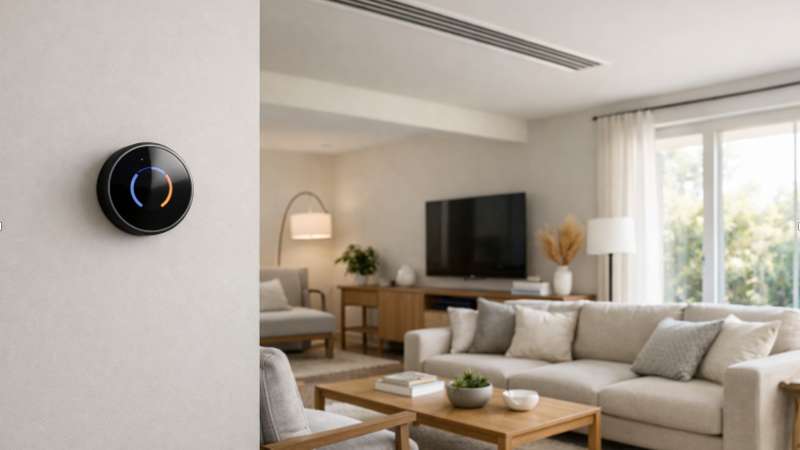
Smart thermostats are transforming the way homeowners approach climate control. Using advanced sensors and artificial intelligence, these devices learn daily routines and automatically adjust to improve energy efficiency. Most smart thermostats are compatible with mobile apps, enabling convenient remote control while on the move. Such features lead to lower heating and cooling costs, and many models integrate seamlessly with popular voice assistants for hands-free operation.
Features such as geofencing, scheduling, and usage history help homeowners reduce unnecessary energy costs. According to the U.S. Department of Energy, smart thermostats can save homeowners up to 10% annually on their heating and cooling bills by making automatic, intelligent adjustments.
Energy Recovery Ventilators
Energy Recovery Ventilators (ERVs) are designed to enhance indoor air quality and overall comfort. By capturing energy from exhausted air and transferring it to incoming fresh air, ERVs help recover heat in winter and cool incoming air in summer. This reduces the HVAC system’s workload, resulting in significant energy savings without sacrificing ventilation. Today’s ERVs, such as Panasonic’s BalancedHome® 210 ERV, excel at balancing heat and moisture recovery, ensuring healthy air and year-round comfort for households.
These systems are especially valuable in newer homes built with tight envelopes, where natural ventilation can be limited. Balanced air exchange supports both energy performance and the removal of airborne contaminants.
Ductless Heat Pumps
Ductless heat pumps, also called mini-split systems, offer versatile solutions for individualized or supplemental heating and cooling. Without extensive ductwork, these systems deliver efficient zone control, making them suitable for older homes or spaces where installing ductwork would be costly or disruptive. Quilt’s smart ductless heat pump systems provide intuitive room-by-room management and leverage modern purchasing and installation support, making upgrading both convenient and accessible.
An added benefit is improved air quality since the absence of ductwork reduces the circulation of dust, allergens, and contaminants. This creates a healthier indoor environment for occupants and typically reduces maintenance issues.
Inverter-Driven Systems
Inverter-driven HVAC systems offer dynamic and responsive climate control by continuously adjusting compressor speed to match real-time demand. This significantly increases efficiency compared to traditional systems that cycle on and off. TCL’s introduction of a tiered all-inverter ducted heat pump platform to the U.S. market showcases the scalable efficiency and comfort this technology offers.
The advantages are twofold: energy savings and consistent indoor temperatures. According to the Environmental Protection Agency, inverter-driven systems can achieve 30-50% lower energy use than their conventional counterparts, making them among the most efficient options for climate control.
Integrated HVAC and Plumbing Systems
Modern homes are increasingly adopting integrated systems that combine HVAC and plumbing for streamlined management. Advanced controls allow these traditionally separate systems to communicate, coordinate, and optimize performance for better comfort and efficiency. As Resideo highlights, integrating HVAC and plumbing not only enhances sustainability but also offers homeowners greater convenience in daily life.
With these integrated systems, issues like leaks, inefficiencies, and equipment failures can be detected early and managed proactively. This results in fewer disruptions, lower repair costs, and a more energy-efficient home overall. Homeowners interested in further details about the benefits of integrated smart home systems can find helpful insights in this Energy Star resource.
Conclusion
Efficient HVAC solutions have become a cornerstone of modern home comfort, energy consumption, and air quality. By integrating smart thermostats, energy recovery ventilators, ductless heat pumps, inverter-driven systems, and connected plumbing systems, homeowners can create sustainable living environments tailored to their unique needs. With ongoing innovation and professional guidance, upgrading your HVAC system can lead to a greener, healthier, and more cost-effective home.