
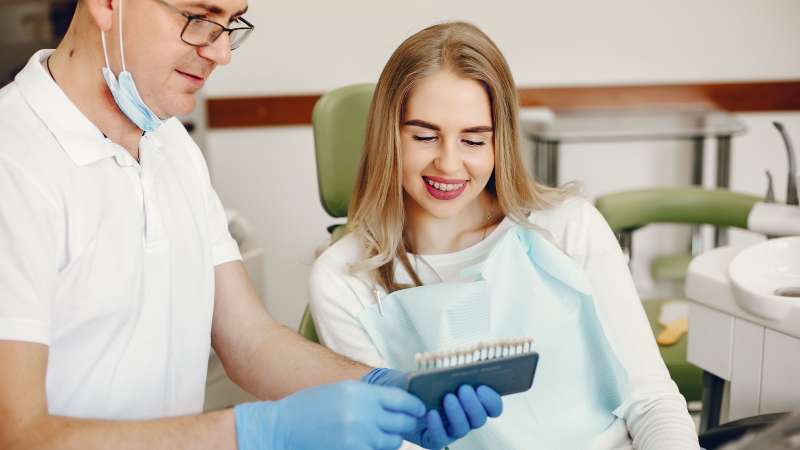
Replacing missing teeth is a personal health decision that can affect eating, speech, daily confidence, and the function of remaining teeth. For patients in Versailles and throughout Woodford County, choosing a suitable solution involves more than appearance. Comfort, oral health, budget, and long-term maintenance all play important roles in finding an option that fits individual needs.
Patients exploring the different types of dentures can find helpful information from Versailles Family Dentistry. Versailles Family Dentistry explains the options, including complete dentures, partial dentures, immediate dentures, overdentures, and implant-supported dentures. As a family dental practice serving Versailles, Kentucky, and nearby Woodford County communities, the team helps patients understand how remaining teeth, fit, stability, and healing needs may influence a personalized treatment discussion. Surrounding Woodford County communities, the team helps patients understand how remaining teeth, fit, stability, and healing needs can shape an individualized treatment discussion.
Why the Choice Matters
A gap left by a missing tooth can make chewing certain foods more difficult, and missing front teeth may affect speech for some people. Over time, nearby teeth can shift toward an open space. Replacing one or more teeth can therefore be about maintaining a functional bite as well as restoring the look of a smile.
It is helpful to look beyond the immediate need. A treatment plan should consider how comfortably a person can eat, how easily the restoration can be cleaned, whether the option fits the patient’s schedule, and what future maintenance may be needed. This broader view is especially useful for busy families, retirees, and commuters in the Versailles area who need a solution that works in everyday life.
The Main Tooth Replacement Options
Removable Dentures
Partial dentures can replace several missing teeth when natural teeth remain. Complete dentures can replace all teeth in the upper arch, lower arch, or both. Immediate dentures may be placed after extractions, while a final appliance may be adjusted or remade as the gums heal. The American Dental Association explains that dentures are removable appliances that replace missing teeth and may require follow-up visits to check their fit.
Bridges and Implants
A dental bridge fills a gap by relying on neighboring teeth or implants for support. A dental implant is placed in the jawbone and may support a single crown, a bridge, or a denture. Implant-supported dentures use implants to hold a denture more securely than a conventional removable denture. Each approach has distinct considerations for preparation, healing, cost, and maintenance.
Comfort and Stability
Comfort depends on more than the treatment category. The fit of an appliance, the bite, gum condition, and the time allowed for adjustment can all influence how it feels. New removable dentures may initially feel bulky or unfamiliar, and minor sore spots can require professional adjustment. A denture that becomes loose, cracked, or persistently uncomfortable should be evaluated by a dental professional rather than altered at home.
Traditional dentures rest on the gums and can move if the fit changes. Bridges and implant-supported restorations stay in place during normal use. That added stability may be valuable for patients who want more confidence while eating, but implants also involve surgery and a healing process. The right balance depends on the patient’s oral condition and comfort priorities.
Budget and Treatment Timeline
Cost is an important factor, but it is better viewed as a complete treatment plan than as one starting price. Fees can vary based on the number of teeth being replaced, materials, imaging, extractions, gum treatment, laboratory work, bone grafting, and future appointments.
- Removable dentures: Often involve fewer surgical steps, though healing may affect the final fit.
- Bridges: Usually require preparation of supporting teeth and more than one appointment.
- Implants: Often involve placement, healing, and later placement of the final crown, bridge, or denture.
- Complex cases: May need treatment for decay, gum disease, tooth removal, or bone support before replacement teeth are placed.
Ask for a written plan that explains the expected sequence of care and separates initial treatment from possible relines, repairs, replacement parts, or future restorations.
How Oral Health Shapes the Decision
Healthy gums and adequate support from the jawbone are important considerations for many restorations. Untreated decay, active gum disease, tobacco use, some medical conditions, medications, and inconsistent oral hygiene can affect treatment planning or healing. A dentist may recommend an examination, X-rays, photographs, a bite evaluation, and a medical history review before making a recommendation.
Some teeth that appear badly damaged may still be treatable, while others may not provide reliable support for a restoration. The goal is not to select the most appealing option in theory. It is to choose a plan that makes sense for the mouth as it is today.
Daily Care and Long-Term Maintenance
Every replacement option requires continued care. A practical routine may include:
- Cleaning removable appliances as instructed.
- Brushing remaining teeth, gums, tongue, and the roof of the mouth.
- Cleaning around bridges, implants, and natural teeth every day.
- Attending regular dental exams to monitor fit, gum health, and bite changes.
- Calling the dental office for persistent soreness, swelling, bleeding, looseness, or damage.
The mouth changes over time, particularly after tooth loss and extractions. Regular checkups can identify fit concerns before they interfere with eating or cause ongoing irritation.
Questions to Ask Before Treatment
- How many teeth need to be replaced, and can any be saved?
- What do my gums and jawbone indicate about my options?
- Which choice is likely to be most stable for my eating habits?
- How long will each treatment process take?
- What will I need to clean at home each day?
- What follow-up visits, repairs, or adjustments might be needed later?
How a Local Dental Team Can Help
A local dental team can connect clinical findings with real-life priorities, including work schedules, travel time, family responsibilities, and comfort concerns. An in-person consultation gives patients the opportunity to review the condition of their teeth and gums, compare options in plain language, and develop a plan for treatment and follow-up care.
A Practical Way to Move Forward
The best tooth replacement option is one that supports your oral health, comfort, budget, schedule, and long-term routine. Avoid choosing based only on the lowest initial cost or the appearance of a finished restoration. A thorough exam and an honest conversation with a qualified dentist can make the next step clearer and help prevent avoidable surprises later.