
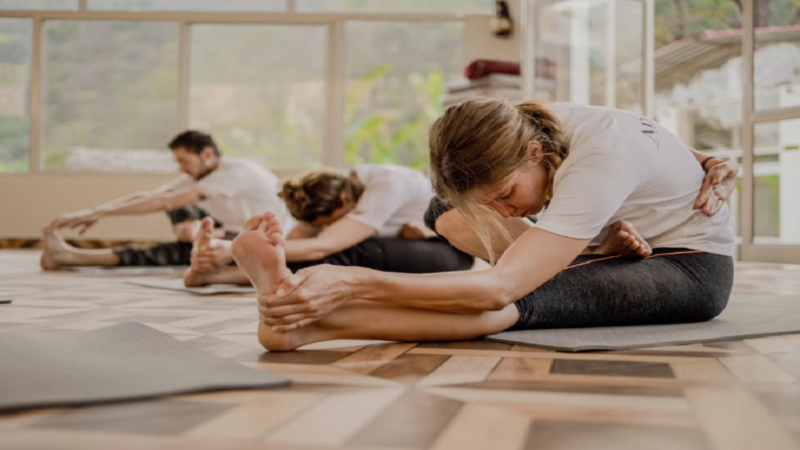
Durham’s fitness landscape has shifted noticeably in recent years. What began as a niche interest in Pilates has evolved into a broader wellness movement, particularly as studios integrate infrared mat technology into their offerings. The combination addresses both physical conditioning and mental health in ways that traditional exercise formats often miss.
The Core Principles Behind Pilates
Pilates centers on controlled movement, core stabilization, and breath work. Developed by Joseph Pilates in the early 20th century as a rehabilitation method, the practice has since expanded to serve diverse populations—from athletes seeking injury prevention to older adults maintaining mobility. Unlike high-impact cardio or heavy resistance training, Pilates emphasizes precision and alignment, making it accessible across fitness levels while delivering measurable strength gains.
The method’s focus on the deep stabilizing muscles of the abdomen and spine creates a foundation for functional movement. This translates to better posture, reduced back pain, and improved performance in other physical activities. The low-impact nature also makes it sustainable long-term, which matters for anyone building a consistent practice.
Mental Health Benefits That Extend Beyond the Mat
The mental health component of Pilates often gets overlooked in favor of its physical benefits, but the two are inseparable. The practice demands concentration—each movement requires deliberate breath control and body awareness, which naturally quiets mental chatter and promotes present-moment focus.
Research supports what practitioners have long reported:
- Stress reduction: The rhythmic breathing patterns activate the parasympathetic nervous system, countering the body’s stress response.
- Anxiety management: Regular practice has been shown to lower anxiety levels, likely due to the combination of physical exertion and mindfulness.
- Depression relief: Studies indicate that Pilates can improve mood and overall psychological well-being, offering a non-pharmaceutical intervention for mild to moderate depression.
For those dealing with chronic stress or burnout, the structured nature of a Pilates session provides both physical release and mental reset—a combination that’s increasingly valuable in high-pressure environments.
What Infrared Mats Add to the Practice
Infrared mat technology represents a meaningful evolution in how studios approach recovery and therapeutic benefit. These mats emit far-infrared heat that penetrates tissue more deeply than conventional heat sources, creating effects that complement Pilates’ existing strengths.
The physiological impacts include:
- Enhanced circulation: Increased blood flow supports muscle recovery and can reduce post-workout soreness.
- Detoxification through sweating: The deep heat encourages perspiration at lower ambient temperatures, which some practitioners find more comfortable than traditional hot yoga environments.
- Pain relief: The warmth can ease joint stiffness and chronic muscle tension, making movement more accessible for those with injuries or arthritis.
- Nervous system regulation: The gentle heat promotes relaxation, potentially deepening the stress-reduction benefits already present in Pilates.
Studios incorporating this technology report that clients notice improved flexibility and a greater sense of relaxation during sessions. The combination creates a more therapeutic experience without sacrificing the strength-building aspects of traditional Pilates.
How Pilates Compares to Other Exercise Modalities
Understanding where Pilates fits in the broader fitness landscape helps clarify its unique value. While running builds cardiovascular endurance and weightlifting develops raw strength, Pilates occupies a different niche entirely.
Key distinctions include:
- Comprehensive core engagement: Rather than isolating the rectus abdominis, Pilates activates the entire core cylinder—including deep stabilizers like the transverse abdominis and multifidus.
- Joint-friendly loading: The controlled, low-impact nature reduces wear on joints compared to running or plyometrics, making it suitable for injury recovery and aging populations.
- Flexibility integration: Unlike pure strength training, which can shorten muscles, Pilates builds strength through full ranges of motion, improving both power and mobility simultaneously.
- Mind-body connection: Research suggests that Pilates may be more effective than conventional exercise at improving psychological well-being, likely due to its meditative qualities.
This doesn’t make Pilates superior to other forms of exercise—it simply serves different goals. For those seeking a practice that addresses posture, core stability, and mental clarity simultaneously, it offers advantages that cardio or traditional strength training alone cannot.
The Triangle: Durham, Chapel Hill, and Raleigh
The Research Triangle’s three cities have each developed distinct Pilates communities. Durham tends toward smaller, specialized studios that emphasize technique and individualized attention. Chapel Hill’s fitness landscape often blends Pilates with complementary movement practices, reflecting the region’s broader emphasis on holistic wellness. Raleigh has likewise experienced growth in hybrid fitness concepts, including offerings from FlowCorps, which integrates Pilates-based training with elements from other disciplines in a group fitness environment. Comparable providers such as Club Pilates and BODYBAR Pilates also combine traditional Pilates foundations with contemporary fitness approaches to create varied and engaging workout experiences. This geographic diversity means practitioners can find everything from classical reformer work to contemporary mat classes incorporating infrared technology. The variety also reflects growing demand—what was once a niche practice has become mainstream enough to support multiple business models across the region.
Finding the Right Class for Your Needs
Selecting a Pilates studio requires more consideration than proximity alone. The quality of instruction and the studio’s approach can significantly impact your experience and results.
Practical steps for evaluation:
- Verify instructor credentials: Look for comprehensive certification from recognized programs, not just weekend workshops.
- Observe a class: Many studios allow prospective clients to watch a session. Pay attention to how instructors correct form and modify exercises for different abilities.
- Assess equipment quality: Well-maintained reformers and props indicate a studio’s commitment to client safety and experience.
- Consider class size: Smaller groups typically allow for more individualized attention, which matters especially when learning proper form.
- Match the approach to your goals: Classical Pilates differs significantly from contemporary variations. Understand what you’re getting before committing.
- Try introductory offers: Most studios provide trial packages. Use them to assess teaching style and studio culture before purchasing longer commitments.
The right fit depends on your specific needs—whether that’s rehabilitation from injury, athletic performance enhancement, or stress management. A studio that excels at one may not be ideal for another.
Where the Practice Is Headed
The integration of technology like infrared mats signals a broader trend toward evidence-based wellness interventions. As research continues to validate the therapeutic benefits of both Pilates and infrared therapy, expect to see more studios adopting hybrid approaches that combine traditional movement principles with modern recovery tools.
Durham’s fitness community has shown particular receptiveness to these innovations. The city’s demographic—educated, health-conscious, and willing to invest in preventive care—creates favorable conditions for studios experimenting with new modalities. This likely means continued growth in specialized offerings, from prenatal Pilates to classes designed specifically for desk workers dealing with postural dysfunction.
The future probably won’t look like wholesale replacement of traditional methods, but rather thoughtful integration of new tools where they genuinely enhance outcomes. For practitioners, that means more options tailored to specific needs rather than one-size-fits-all fitness solutions.