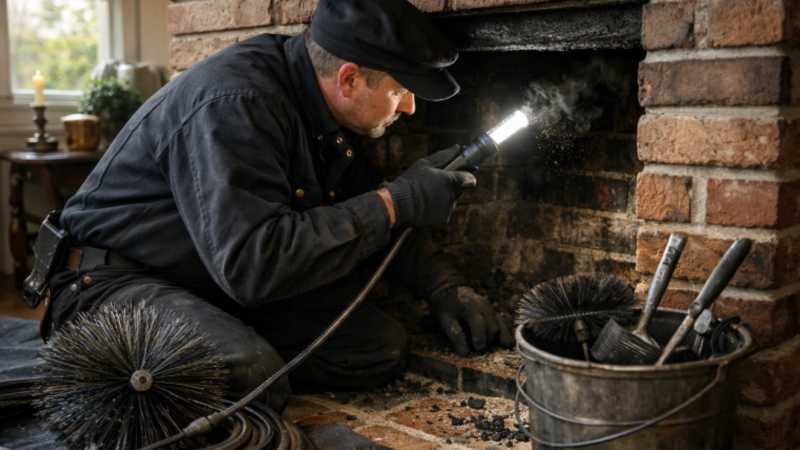
Proper chimney maintenance is one of the most important aspects of home safety and comfort. By keeping your chimney in optimal condition, you not only ensure your fireplace works efficiently but also reduce the risk of dangerous fires and costly repairs. From regular inspections to mindful burning practices, a few simple steps can protect your home for years to come. For those in Atlanta, Southern Chimneys offers expert cleaning and maintenance services to help you keep your chimney safe and reliable. A clean chimney means healthier indoor air, fewer fire hazards, and more enjoyment from your fireplace or wood stove. Maintaining your chimney also extends the life of your heating system and adds to your home’s value. Even as a DIY enthusiast, knowing when to call in professionals is crucial to prevent serious safety issues.
Understanding Creosote and Its Dangers
Creosote forms from the incomplete combustion of wood and other organic materials and accumulates in the inner walls of your chimney with each use. This dark, sticky substance is not only unsightly but extremely flammable. According to the Chimney Safety Institute of America (CSIA), even a seemingly small amount of creosote can ignite, causing temperatures in the chimney to spike and potentially leading to a house fire. That is why preventing creosote buildup is a key priority for every homeowner with a fireplace or wood stove.
Choosing the Right Firewood
The wood you burn plays a decisive role in your chimney’s cleanliness. Always opt for seasoned hardwood like oak, maple, or hickory. These woods should have been split and stored in a sheltered, dry location for at least 6 to 12 months. Properly seasoned wood has a low moisture content, resulting in a hotter, cleaner burn with less smoke. Burning softwoods or green (wet) firewood increases smoke and contributes to rapid creosote buildup. Avoid burning trash, treated wood, or paper as these not only create excessive soot but can produce toxic chemicals harmful to your family and your flue.
Regular Chimney Inspections
Scheduling routine inspections is one of the most effective ways to identify potential hazards before they become serious. The National Fire Protection Association recommends that chimneys, fireplaces, and vents be inspected at least once a year. Certified chimney sweeps have trained eyes for blockages, cracks, animal nests, and other issues that may not be immediately visible but could result in poor ventilation or a dangerous fire. A professional cleaning removes soot and creosote efficiently, reducing the risk of accidental combustion.
Installing a Chimney Cap
Chimney caps are an often overlooked yet essential addition to your chimney system. A well-fitted cap covers the top of your chimney, keeping rain, branches, and animals out. Moisture entering the chimney can mix with residual creosote, causing odors and promoting deterioration of the flue lining. Caps also prevent animals, such as birds and squirrels, from building nests in your chimney, which could obstruct airflow or spark a fire. Make sure the cap is undamaged and properly secured year-round.
Safe Ash Disposal
Ash from your fireplace or wood stove should always be handled with care, as embers can stay hot for hours or even days after the fire appears to be out. Allow ashes to cool thoroughly before transferring them to a metal container with a secure lid. Store this container outside and away from any flammable materials. Never use a vacuum or plastic container for ash removal. Responsible ash disposal is a simple but important practice to keep your home safe from accidental fires.
DIY vs. Professional Cleaning
While some homeowners are tempted to tackle chimney cleaning themselves, it’s crucial to understand the risks and limitations. Proper chimney sweeping requires specialized tools, safety gear, and expertise to be thorough. A certified sweep can also spot early signs of structural issues, flue blockages, or deteriorating masonry that a layperson might miss. If you do attempt a DIY cleaning, follow all safety precautions and consider referencing guides from reputable sources. However, bringing in a professional annually will offer peace of mind and a safer home environment.
Seasonal Maintenance Tips
Preparation and regular checkups throughout the year can extend the life of your chimney system. Before winter arrives, schedule a professional inspection and cleaning if needed. During the non-heating months, close the damper tightly to keep out drafts and prevent moisture buildup. After any severe storm, check for visible damage to the exterior chimney structure and address any needed repairs promptly. Year-round vigilance will help ensure your fireplace is always ready and safe to use when you need it most.
Conclusion
Consistent chimney maintenance is a critical aspect of home safety that pays dividends in comfort and peace of mind. By understanding the risks of creosote, burning the right firewood, ensuring regular inspections, installing protective features like chimney caps, and practicing careful ash disposal, you can prevent most hazards associated with wood-burning appliances. Whether you choose to maintain your chimney yourself or rely on professionals, prioritize regular attention and proper care so you can safely enjoy the warmth and ambiance your fireplace brings to your home.