
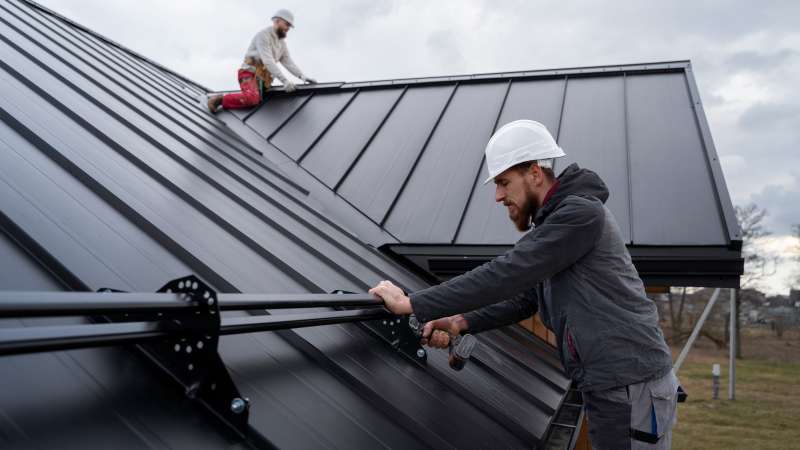
Commercial roofs rarely fail without warning. Small defects around drains, seams, edges, and rooftop equipment can allow water into the building envelope long before an interior stain becomes visible. A consistent commercial roof inspection process helps facility managers identify those early signs, document conditions, and make maintenance decisions before minor repairs become disruptive projects. Whether a property has a low-slope membrane roof, metal panels, or another system, inspections should be part of an ongoing building-care plan. The goal is not simply to decide whether the roof looks clean from the ground. It is to review the components that control water movement, protect transitions, and support rooftop operations.
Why Commercial Roof Inspections Matter
A roof is connected to walls, parapets, drainage components, mechanical systems, insulation, and interior spaces. That is why a small opening at a flashing or penetration can eventually lead to wet insulation, damaged finishes, mold concerns, electrical risks, or interruptions for tenants and staff. A roof that appears sound from the ground may still have open seams, clogged drains, loose edge metal, or damage hidden beneath debris. Inspection records also make long-term planning easier. Photos, repair invoices, and dated observations help teams compare conditions over time, review warranty obligations, support insurance documentation, and build realistic capital budgets. Keeping roof inspection records with photos is especially useful when a recurring issue needs to be traced back to a weather event, a prior repair, or a change in equipment.
What To Do Before The Inspection
Preparation improves both safety and the value of the inspection. Before accessing the roof, review prior reports, repair history, installation records, warranty documents, known leak locations, and recent tenant complaints. Note recent HVAC work, antenna installation, solar work, or construction activity that may have affected the roofing system.
- Confirm that roof access, ladders, hatches, and walkways are safe to use.
- Check the weather and postpone access during lightning, high winds, ice, standing water, or unsafe surface conditions.
- Bring a camera, notebook or mobile form, roof plan, measuring tape, and appropriate personal protective equipment.
- Identify rooftop equipment and areas with restricted access before starting the walk-through.
Facility staff should not enter areas that appear unstable, slippery, severely damaged, or difficult to reach safely. A visual review from a secure location is preferable to taking an unnecessary risk.
Roof Areas To Review
Roof Surface
Look across the entire roof surface for punctures, cracks, splits, blisters, exposed reinforcement, loose materials, debris, and signs of animal activity. Note soft, sagging, or uneven areas, as well as locations where water repeatedly remains after rainfall.
Seams, Flashings, And Edges
Pay close attention to membrane seams and laps, since separation can create a direct path for water. Review flashings at walls, curbs, vents, skylights, and other transitions. Check the coping, fascia, edge metal, termination bars, and sealants for gaps, corrosion, cracking, or materials pulling away from the surface.
Drainage Features
Inspect drains, strainers, gutters, scuppers, downspouts, and overflow paths. When it can be done safely, remove loose leaves and debris that block drainage. Record low spots, damaged components, and any pattern of ponding water, rather than treating repeated standing water as a normal condition.
Rooftop Equipment And Penetrations
Review equipment curbs, support frames, pipe penetrations, conduit runs, and communication-system mounts. Look for loose components that could move in high winds, as well as evidence that technicians have cut, punctured, or altered the roof during maintenance.
Warning Signs That Need Attention
Immediate Concerns
- Active water entry, wet ceilings, or water near sensitive equipment.
- Large tears, open seams, visible deck damage, or structural sagging.
- Severely blocked drains during wet weather.
- Loose edge materials, flashing, or rooftop equipment after high winds.
Issues To Schedule Soon
- Small sealant cracks, early flashing separation, or damaged walk pads.
- Repeated ponding in the same roof area.
- Rust, staining, or deterioration near supports and penetrations.
Items To Monitor
- Minor surface wear with no active moisture evidence.
- Older repairs that remain stable.
- Light discoloration or limited-access areas requiring a later review.
How To Document Roof Conditions
“Roof looks okay” is not a useful maintenance record. Use a roof plan divided into labeled sections, assign each finding an identification number, and take one wide photo to show the location and one close-up photo to show the detail. Record the inspection date, weather conditions, roof area, observed issue, and whether damage is confirmed or needs further testing. A simple condition scale keeps reports practical: Monitor, Repair Soon, and Urgent. After work is complete, add repair photos, invoices, and notes to the same roof file. A structured commercial roof maintenance checklist can help teams connect inspection findings to assigned preventive-maintenance tasks.
How Often To Inspect A Commercial Roof
Most commercial properties benefit from routine roof reviews at least twice each year, commonly before and after the local season that places the greatest demand on the roof. Older systems, buildings with leak histories, and roofs with heavy equipment traffic may need more frequent attention. Inspection timing should also reflect roof age, climate, system type, occupancy needs, repair history, and warranty requirements.
When To Inspect After Severe Weather
Schedule a post-storm review after hail, high winds, heavy rain, ice, snow, or falling debris. Trigger signs include new ceiling stains, moisture odors, blocked drains, standing water, branches on the roof, lifted metal, and new issues around skylights or equipment curbs. Photograph visible conditions before cleanup when safe, because those records can clarify what changed after the event.
What A Useful Inspection Report Includes
A useful report identifies the building and roof area, inspection date and purpose, roof-system details when known, photos tied to locations, descriptions of each issue, likely causes, recommended follow-up, repair priority, and suggested timing. It should also note any warranty or maintenance requirements and provide a remaining service life estimate only when the available evidence supports one.
How To Prioritize Repairs
- Address safety risks first. Secure loose materials and restrict unsafe areas.
- Stop active water entry. Protect occupants, interiors, and sensitive equipment.
- Correct drainage problems. Clear blocked paths and investigate recurring ponding.
- Repair common failure points. Focus on seams, flashing, penetrations, and edges.
- Plan long-term work. Compare repair, restoration, and replacement based on condition, use, and budget.
Common Questions About Commercial Roof Inspections
Can Facility Staff Inspect A Commercial Roof?
Facility staff can complete safe visual checks and document observable conditions. Suspected hidden moisture, structural concerns, complex leak investigations, and warranty-related matters may require qualified roofing or design professionals.
Does An Inspection Find Every Leak?
Not always. Water can travel through insulation, framing, exterior walls, or interior spaces, so the visible stain may not sit directly beneath the source.
Should A Roof Be Inspected Before Buying A Commercial Building?
Yes. Due diligence should include roof condition, drainage, repair history, warranties, rooftop equipment, and likely near-term capital needs.
Conclusion
A commercial roof inspection is most effective when it is repeatable, documented, and connected to clear repair priorities. By reviewing high-risk details such as seams, flashing, penetrations, drainage areas, and rooftop equipment, facility teams can identify developing problems before they become costly failures. Inspections after severe weather can also help capture damage early and support timely repairs. Maintaining a complete roof history with photographs, reports, repair records, and recurring problem areas gives managers better information for budgeting and long-term planning. This organized approach can help reduce avoidable disruption, protect building operations, and support more confident decisions about maintenance, restoration, or replacement.