
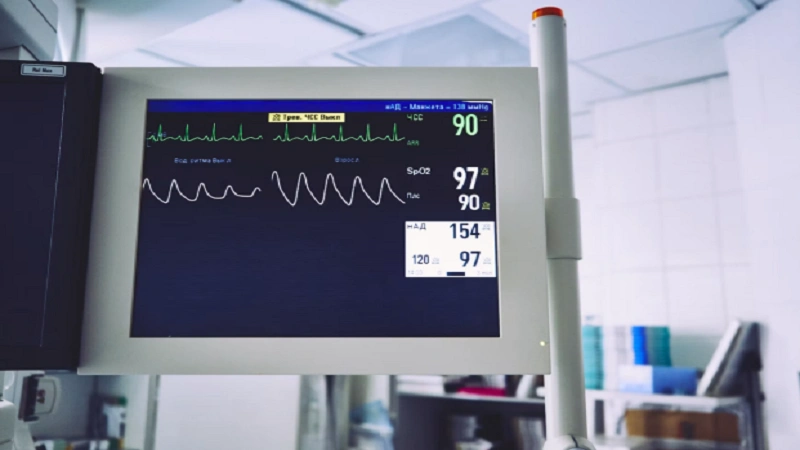
Blood pressure monitoring has long been a cornerstone of preventive healthcare, but the experience has traditionally involved bulky cuffs, uncomfortable squeezing, and devices that feel more clinical than convenient. That’s changing. Cuffless blood pressure monitors represent a significant shift in how families can track cardiovascular health at home—offering continuous, comfortable monitoring without the restrictions of traditional equipment.
For families managing hypertension or simply staying proactive about wellness, these devices remove many of the barriers that made regular monitoring feel like a chore. The technology is still evolving, but early adoption is growing as accuracy improves and regulatory bodies begin to validate these innovations.
The Technology Behind Cuffless Monitoring
Unlike traditional sphygmomanometers that rely on occluding the brachial artery with an inflatable cuff, cuffless monitors use optical sensors and algorithms to estimate blood pressure from pulse wave analysis. These devices measure pulse transit time—the speed at which pressure waves travel through arterial walls and correlate that data with blood pressure values through machine learning models.
Some devices use photoplethysmography (PPG), the same sensor technology found in fitness trackers, to detect subtle changes in blood volume beneath the skin. Others incorporate electrocardiogram (ECG) sensors to improve accuracy. These methods can achieve clinically acceptable accuracy when properly calibrated, though they still require periodic validation against traditional cuff-based measurements.
The appeal is clear: no arm cuff means no discomfort, no need to remain still during inflation, and the possibility of passive monitoring throughout the day. For individuals who need frequent readings or who simply want to understand how stress, activity, or sleep affects their cardiovascular health, this represents a meaningful improvement in usability.
Why Families Are Turning to Cuffless Devices
The shift toward blood pressure monitors without cuffs isn’t just about comfort. It’s about accessibility and consistency. Traditional monitors can be intimidating for older adults, difficult for children, and cumbersome for anyone trying to integrate monitoring into a busy routine. Cuffless devices address several pain points:
- Ease of use: Most cuffless monitors are designed as wristbands or smartwatch-style devices, requiring minimal setup and no technical knowledge.
- Continuous tracking: Unlike single-point measurements, some devices can monitor trends over time, offering insight into how blood pressure fluctuates throughout the day.
- Reduced anxiety: For individuals with white coat syndrome—elevated readings in clinical settings due to stress—home monitoring with a comfortable device can provide more accurate baseline data.
- Family-wide use: A single device can often be used by multiple household members, making it easier to track health across generations.
Nearly half of U.S. adults have hypertension, and many are unaware of their condition. Regular home monitoring can play a critical role in early detection and management, particularly when the technology makes it easy to build the habit.
Wearable Health Tech and the Bigger Picture
Cuffless blood pressure monitors fit into a broader ecosystem of wearable health technology that’s reshaping how individuals engage with their own data. Devices that once only counted steps now track heart rate variability, sleep stages, blood oxygen levels, and more. Blood pressure monitoring is a natural extension of this trend.
Integration is key. Many cuffless monitors sync with smartphone apps, allowing users to visualize trends, set reminders, and share data with healthcare providers. This connectivity transforms isolated readings into actionable insights. For families, it can mean spotting concerning patterns early—before they become emergencies.
The World Health Organization has emphasized the importance of accessible blood pressure monitoring as part of global efforts to reduce cardiovascular disease. Wearable technology, when accurate and affordable, can democratize access to this critical health metric.
Regulatory Approval and What It Means
Not all cuffless blood pressure monitors are created equal. The market includes everything from rigorously tested medical devices to consumer gadgets with questionable accuracy. This is where regulatory approval becomes essential.
FDA clearance signals that a device has undergone clinical validation and meets specific standards for safety and performance. For blood pressure monitors, this typically means demonstrating accuracy within acceptable margins compared to gold-standard measurements. Devices without this approval may still be marketed as wellness tools, but they shouldn’t be relied upon for medical decision-making.
When evaluating options, families should prioritize FDA-approved cuffless blood pressure monitors. These devices have been vetted through a process that includes clinical trials and post-market surveillance, providing a level of confidence that’s critical when health is on the line.
Choosing the Right Device for Your Household
Selecting a cuffless blood pressure monitor requires balancing accuracy, usability, and features. Here’s what to consider:
- Clinical validation: Look for devices with published studies or FDA clearance. Marketing claims alone aren’t enough.
- Calibration requirements: Some devices need periodic calibration with a traditional cuff to maintain accuracy. Understand the maintenance involved.
- Form factor: Wristbands, smartwatches, and finger-based devices each have trade-offs in comfort, accuracy, and convenience.
- Data management: Consider whether the device integrates with health apps you already use, and whether it allows multiple user profiles.
- Battery life and durability: Continuous monitoring requires reliable power and build quality that can withstand daily wear.
For families exploring these options, Omron, Withings, and Sempulse each offer cuffless blood pressure monitors designed to fit naturally into home health routines, with varying approaches to clinical validation and ease of use.
Building a Monitoring Routine That Sticks
Technology alone doesn’t improve health outcomes; consistency does. The advantage of a non-cuff blood pressure monitor is that it removes friction from the process, but families still need to establish habits that make monitoring a regular part of life.
Here are strategies that work:
- Set a daily reminder: Morning readings, before coffee or medication, provide the most consistent baseline data.
- Track trends, not single readings: Blood pressure naturally fluctuates. Focus on patterns over days and weeks rather than reacting to individual measurements.
- Involve the whole family: When monitoring becomes a shared activity, it normalizes the practice and encourages accountability.
- Share data with your doctor: Many devices allow you to export reports. Bring these to appointments for more informed conversations about treatment.
The goal isn’t perfection—it’s awareness. Regular monitoring helps families catch changes early, adjust lifestyle factors, and make informed decisions about when to seek medical advice.
The Case for Going Cuffless
Cuffless blood pressure monitors aren’t a replacement for clinical-grade equipment in every scenario, but they represent a meaningful step forward in making cardiovascular health monitoring accessible, comfortable, and consistent. For families managing hypertension, tracking wellness trends, or simply staying proactive, these devices offer a practical solution that fits into modern life.
The technology will continue to improve. Accuracy will get better, regulatory standards will tighten, and integration with broader health ecosystems will deepen. For now, the best approach is to choose devices with clinical validation, understand their limitations, and use them as part of a comprehensive approach to health management.
If you’re ready to explore options, start by researching FDA-cleared devices, reading clinical studies, and considering how a blood pressure monitor without an arm cuff might fit into your family’s routine. The investment in regular monitoring today can pay dividends in long-term health outcomes. See more