
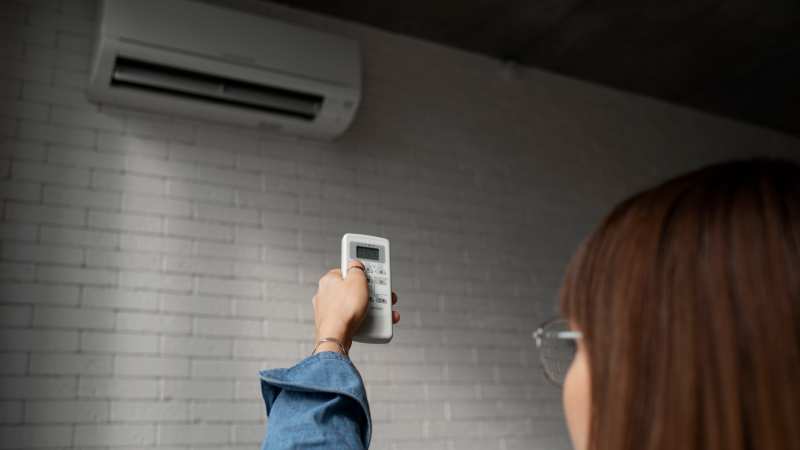
A thermostat is often viewed as a simple wall-mounted control, yet it serves as the communication center between homeowners and their air conditioning system. Every cooling cycle begins with the thermostat detecting indoor temperatures and sending instructions to the equipment. When this small device develops a problem, the entire cooling process can become unreliable, creating discomfort, increasing energy use, and placing unnecessary strain on expensive components. Many homeowners mistakenly assume that unusual cooling performance always points to compressor or refrigerant issues, when the thermostat may actually be responsible. Recognizing common thermostat-related problems early can help reduce unnecessary wear, improve indoor comfort, and prevent situations that eventually require significant air conditioning repair.
How Thermostat Issues Affect Cooling
-
Incorrect Temperature Calibration
One of the most common thermostat problems involves inaccurate temperature calibration. A thermostat should accurately measure the indoor temperature before signaling the air conditioning system to turn on or off. Over time, sensors can become less accurate due to aging, dust accumulation, or minor internal failures. Even a difference of just a few degrees can significantly affect indoor comfort. A thermostat that reads the room as cooler than it actually is may shut the air conditioner off too early, leaving living spaces warm and uncomfortable. On the other hand, if it senses temperatures that are warmer than reality, the cooling system may continue operating much longer than necessary.
This extended operation increases electricity consumption while placing extra stress on motors, compressors, and other mechanical parts. Homeowners sometimes respond by constantly adjusting thermostat settings, unknowingly making the situation worse rather than addressing the actual source of the problem. Regular calibration checks, proper placement away from heat sources, and routine maintenance can help ensure the thermostat continues providing reliable readings. A properly calibrated thermostat contributes to more consistent cooling cycles, longer equipment life, and a reduced risk of avoidable air conditioning repairs. Homeowners seeking Air Conditioning Service in San Clemente, CA, often discover that thermostat calibration is one of the first items technicians evaluate during a cooling system inspection.
-
Poor Thermostat Placement
Even a fully functional thermostat can create cooling problems if it has been installed in an unsuitable location. Placement directly affects how accurately the thermostat measures indoor temperatures. Devices positioned near sunny windows, kitchen appliances, televisions, lamps, or exterior doors may receive misleading temperature readings throughout the day. For example, sunlight shining directly onto the thermostat can make it believe the room is much warmer than it actually is, causing the air conditioner to run much longer than needed. Likewise, placing the thermostat near an air supply vent may cause it to detect cooled air too quickly, shutting the system off before the rest of the home reaches the desired temperature.
These inaccurate readings create uneven cooling, uncomfortable hot and cold spots, and repeated cycling that gradually wears out system components. Occupants may mistakenly believe their air conditioner is failing when the real issue lies in the thermostat location. Relocating the thermostat to a central interior wall away from direct heat sources and drafts often results in more stable temperature control. Proper placement allows the thermostat to respond to average room conditions instead of localized temperature extremes, helping the cooling system operate more efficiently and reducing unnecessary strain.
-
Wiring Problems Inside the Thermostat
Over time, these electrical connections may loosen, corrode, or become damaged by moisture, insects, accidental impacts, or aging insulation. Even a single loose wire can interrupt communication between the thermostat and the cooling system, leading to inconsistent operation. Because wiring problems often occur behind the thermostat cover or inside the wall, homeowners may not immediately recognize the source of the issue. Instead, they may assume a much larger mechanical failure has occurred.
Electrical interruptions can also cause intermittent cooling problems that appear randomly, making diagnosis more challenging if the wiring is not carefully inspected. Regular maintenance appointments provide opportunities to identify loose connections before they develop into more significant issues. Tightening electrical terminals, replacing damaged wiring, and verifying proper voltage levels help maintain dependable communication between the thermostat and the cooling equipment.
-
Weak or Failing Batteries
Many programmable and digital thermostats rely on batteries to maintain display functions, preserve programmed schedules, or support communication with the HVAC system. As batteries weaken, the thermostat may begin behaving unpredictably. Homeowners might notice blank displays, flashing warning icons, delayed responses when adjusting settings, or unexpected schedule resets. Some thermostats continue functioning with low batteries but gradually become less reliable, leading to irregular cooling cycles that create confusion about the condition of the air conditioning equipment. A thermostat with insufficient battery power may fail to send consistent signals, causing the system to cycle on and off unexpectedly or stop operating entirely.
These interruptions not only reduce comfort but also increase wear on compressors, blower motors, and electrical relays that repeatedly restart throughout the day. Fortunately, battery replacement remains one of the simplest maintenance tasks homeowners can perform. Checking battery levels before the cooling season begins and replacing them according to manufacturer recommendations helps avoid unnecessary service calls. Maintaining fresh batteries ensures the thermostat continues to operate as intended, supports consistent indoor temperatures, and reduces the risk of thermostat-related cooling failures.
-
Programming Errors and User Settings
Modern programmable and smart thermostats provide numerous scheduling options designed to improve comfort while reducing energy consumption. However, these advanced features can sometimes cause cooling problems when settings are entered incorrectly or when schedules overlap unexpectedly. Homeowners may accidentally program temperatures that change throughout the day without realizing it, leading them to believe the air conditioner is malfunctioning. Vacation modes, temporary overrides, and energy-saving schedules can also create unexpected cooling behavior if forgotten after initial setup. Some users repeatedly adjust settings throughout the day, preventing the thermostat from maintaining consistent operation. Frequent changes may force the air conditioner to start and stop more often than intended, increasing wear on mechanical components.
Additionally, misunderstandings about cooling modes, fan settings, or programmable features can lead to higher utility costs and reduced indoor comfort. Taking time to review thermostat instructions, verify schedules after power interruptions, and periodically confirm operating modes helps eliminate unnecessary confusion. A properly programmed thermostat allows the cooling system to operate according to household needs while reducing unnecessary cycling that could eventually contribute to repair requirements.
Thermostat problems often appear minor at first, but they can gradually affect every aspect of an air conditioning system’s performance. Incorrect calibration, poor placement, wiring issues, weak batteries, programming errors, and aging components all interfere with the thermostat’s ability to communicate accurately with the cooling equipment. These issues may increase energy consumption, reduce comfort, and accelerate wear on important HVAC parts, eventually leading to avoidable air conditioning repair.
Paying attention to thermostat performance, performing routine maintenance, and addressing small concerns before they grow larger help support dependable cooling throughout the warmer months while extending the lifespan of the entire air conditioning system.