
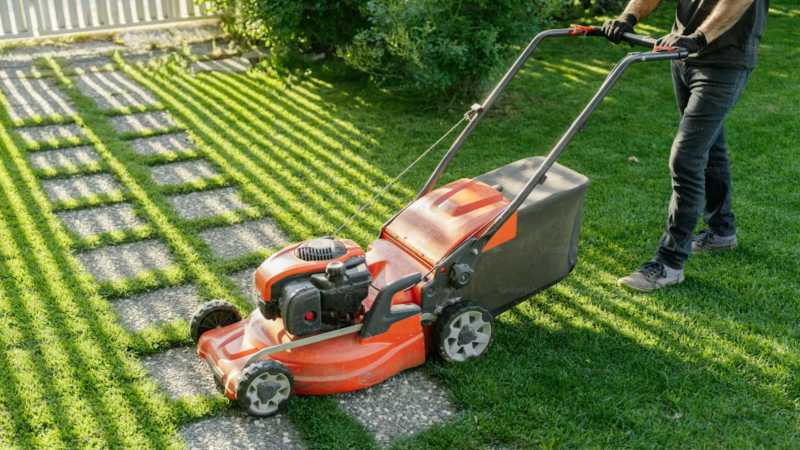
A mower can only cut as well as its blade allows. When the edge becomes dull, grass may be torn instead of cut cleanly, leaving uneven or ragged tips. Regular blade maintenance helps keep the mower working properly and makes each cutting session easier. The right sharpening method also helps you restore the edge without removing more metal than needed.
For people who maintain several mower blades, a dedicated blade grinder for lawn mower work can make sharpening more controlled and repeatable. Manual files and small attachments can work well for occasional maintenance, while powered equipment can make sense when blades need attention more often. The important point is to match the sharpening method to the blade, the amount of wear, and your level of experience.
Why Mower Blades Lose Their Cutting Edge
Mower blades deal with more than grass. Soil, small stones, sticks, roots, and other hidden objects can strike the cutting edge during normal use. Even without visible damage, repeated contact with grass and debris gradually rounds the edge and reduces cutting performance.
A dull blade can also make the mower work harder because it isn’t slicing grass as cleanly. Instead of trying to make the edge extremely thin, aim for a clean working edge that follows the blade’s original shape. A lawn mower blade sharpener is useful because it lets you restore that edge without reshaping the entire blade.
Signs That a Blade Needs Attention
The easiest sign is a change in the way the mower cuts. If grass looks torn, uneven, or ragged after mowing, inspect the blade rather than assuming the mower itself has a problem. Excessive vibration can also point to a damaged or unbalanced blade, especially if the problem appeared after hitting something.
Before sharpening, inspect the metal closely. Cracks, severe bends, large missing sections, or major damage are reasons to replace the blade rather than simply grinding it down. A dull edge or small nick is a different situation and can often be corrected through proper sharpening.
Choosing the Right Sharpening Method
There isn’t one tool that suits every mower owner. A hand file offers control and requires little equipment, but it takes more effort. Drill attachments can speed up the job while keeping the abrasive positioned against the cutting edge, although the operator still needs to maintain control.
A bench grinder or dedicated blade grinder for lawn mower blades is better suited to repeated sharpening work. Powered grinders remove metal faster, so technique matters more. The best choice depends on how often you sharpen, how damaged the blades become, and whether you already have suitable workshop equipment.
Why a Dedicated Grinder Can Be Useful
A dedicated machine can make the sharpening process easier to repeat because the blade is positioned against a controlled grinding surface. This is especially useful when several blades need the same treatment. Instead of relying entirely on hand positioning, the machine can help maintain a consistent relationship between the blade and abrasive wheel.
Dedicated mower blade grinders can also be designed around common blade angles and shapes.
Getting the Blade Ready Before Grinding
Preparation should happen before the grinder is switched on. Remove grass, dirt, and built up material from the blade so you can clearly see the cutting edge. A clean surface also makes it easier to judge whether you are removing metal evenly.
Secure the blade so it cannot move while you work. Check the grinder, wheel, guards, work surface, and power connection before starting. Oregon’s sharpening guidance also stresses keeping the work area clear of flammable materials, loose objects, people, and anything that could be caught by the rotating wheel.
Match the Existing Bevel
The cutting edge should normally follow the bevel already formed on the blade. Changing that shape unnecessarily can affect how the blade performs. The exact angle varies by blade, so check the mower or blade manufacturer’s instructions when available.
Sharpen Without Removing Too Much Metal
Grinding is not about making the blade razor sharp. The goal is a clean, even cutting edge that retains enough material for normal mowing. Removing too much metal can shorten blade life and make it harder to maintain the original shape.
Work gradually and check the edge as you go. If a small nick needs to disappear, remove only enough material to smooth that area. Keeping the process controlled is one of the main reasons an appropriate lawn mower blade sharpener can be preferable to aggressive freehand grinding.
Keep Heat Under Control
Grinding creates heat, and excessive heat can affect the metal near the cutting edge. This is more likely when a grinder is held against one small section for too long. Short, controlled passes are a better approach than staying in one spot.
Let the blade cool when necessary and avoid rushing the job. The aim is to remove material while keeping the blade’s original form intact. If the edge becomes unusually hot, stop and allow it to cool before continuing.
Don’t Forget Blade Balance
Sharpening one side more than the other can change the blade’s balance. Because the blade spins at high speed beneath the mower deck, balance matters for smooth operation. A blade that has lost its balance can contribute to vibration and unnecessary stress.
After sharpening, check the blade using a suitable balancing method. Dremel recommends placing the center hole over a nail or similar support and checking whether the blade remains level. If one end drops, more material may need to be removed from the heavier side.
A Two Stage Approach Can Improve the Finish
Some grinding machines combine material removal with a finishing stage. The first abrasive surface can reshape a dull edge, while a flap wheel or similar finishing surface can smooth the edge afterward. This approach can be useful when the blade has noticeable wear and needs more than a light touch up.
The grinder uses a 9-inch, 60-grit ceramic wheel for material removal and a 7-inch flap wheel for honing. It also includes replacement sandpapers and a grit collector intended to help manage debris during operation.
Safety Matters More With Powered Sharpening
A grinder removes metal quickly and produces sparks and debris. Wear suitable eye protection and follow the safety instructions for the machine. Keep clothing, hair, hands, and loose objects away from moving parts.
The blade should also be securely supported rather than held casually in the hand. Oregon recommends checking the grinding wheel and guards before use and maintaining proper clearance around the wheel. STIHL likewise advises using protective equipment and following the relevant tool instructions when sharpening mower blades.
When a File May Be the Better Choice
Powered equipment isn’t always necessary. A hand file can be a practical option when a blade only needs a small amount of sharpening. It gives the user direct control over the amount of material removed and works without electricity.
Recent testing by Bob Vila compared manual files, drill attachments, angle grinder accessories, bench grinders, belt grinders, and dedicated systems. Its findings show that the right sharpener depends on factors such as speed, precision, versatility, and the user’s sharpening needs.
How Often Should You Sharpen a Mower Blade?
The correct interval depends on how much the mower is used and the conditions in which it operates. A mower used around rough ground may need attention sooner than one cutting a clean residential lawn. Instead of relying only on a calendar, inspect the blade and pay attention to changes in cutting quality.
Bob Vila’s current testing guide gives a general reference of about 20 to 25 hours of mowing for sharpening. This should be treated as a maintenance guideline rather than a fixed rule for every mower and blade.
Know When Sharpening Is Not Enough
Not every damaged blade should return to the grinder. Deep cracks, serious bends, and large sections of missing metal can make continued use unsafe. Home Depot’s mower blade guidance recommends replacing blades with serious structural damage instead of attempting to sharpen them.
Small nicks are different. If the blade remains structurally sound, controlled grinding can remove minor damage and restore the cutting edge. Always inspect the whole blade before deciding which route to take.
Keep Blades Ready Between Cutting Sessions
Good blade care is more than sharpening. Clean the blade after removing it, inspect it for new damage, and store it somewhere dry. Regular checks make it easier to notice problems before they affect the next mowing session.
For people who maintain multiple machines, keeping a sharpening setup ready can also reduce the temptation to continue using worn blades. A dedicated grinder with the correct setup can make routine maintenance easier to repeat when several blades need attention.
Final Thoughts
A sharp mower blade doesn’t need to look like a knife edge. What matters is a clean, even bevel, suitable sharpness, proper balance, and a blade that remains structurally sound. The sharpening method should fit the condition of the blade and the amount of maintenance you normally perform.
For occasional work, a file or small attachment may be enough. For repeated blade maintenance, a dedicated blade grinder for lawn mower blades can offer a more structured process. Whichever method you choose, inspect the blade first, follow its existing bevel, remove metal gradually, control heat, check balance, and put safety ahead of speed.
FAQs
How sharp should a lawn mower blade be?
It should have a clean, effective cutting edge rather than a razor sharp edge. Excessive sharpness can make the edge wear faster.
What is the best tool for sharpening mower blades?
It depends on the job. A file works well for light maintenance, while a grinder can be more practical for frequent sharpening or heavier wear.
Can I use a grinder on a lawn mower blade?
Yes, provided the grinder is suitable for the blade and used correctly. Maintain the original bevel and avoid removing excessive material.
Why does a mower blade need to be balanced?
An unbalanced blade can create vibration while it rotates. Checking the balance after sharpening helps keep the blade suitable for operation.
When should I replace a mower blade instead of sharpening it?
Replace it when it has serious cracks, severe bends, or major sections missing. Sharpening is intended for blades that remain structurally sound.