
Global coastal and inland waterways face mounting environmental pressure from expanding commercial activity and climate-driven water volatility. Marine biologists, environmental engineers, and resort planners are re-evaluating traditional waterfront construction techniques to prevent further degradation of sensitive aquatic habitats.
Legacy infrastructure—primarily fixed concrete piers and pressure-treated timber pilings—imposes severe ecological footprints during both installation and operation. Modern floating architecture built with modular high-density polyethylene (HDPE) provides a non-invasive alternative that balances human waterfront access with long-term ecological preservation.
The Environmental Impact of Traditional Waterfront Structures
Chemical Leaching and Benthic Disruption in Wooden and Concrete Docks
Traditional marine construction relies heavily on pressure-treated lumber and heavy pile driving. Chemically treated wood continuously leaches copper, chromium, arsenic (CCA), or creosote into marine and freshwater systems, accumulating in subaquatic sediments and poisoning benthic organisms.
Furthermore, driving concrete or steel pilings into subsea bed structures physically crushes benthic flora, creates severe turbidity, and permanently destroys delicate underwater micro-habitats. Rigid fixed piers also block sunlight penetration, starving subaquatic vegetation like eelgrass of essential photosynthesis.
The Need for Non-Invasive Marine Engineering Solutions
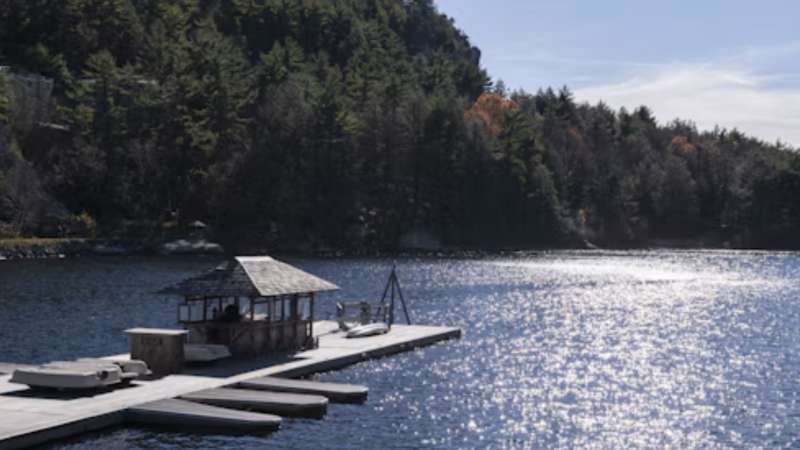
Protecting delicate marine habitats requires adopting low-impact floating dock technology. Floating pontoon platforms rest on the water’s surface and adapt to changing tides and seasonal water levels, eliminating the need for extensive seabed excavation or dredging.
By eliminating permanent driven pilings, floating modular infrastructure preserves natural shoreline sediment transport and maintains healthy hydrodynamic water circulation.
Durability and Environmental Safety of High-Density Polyethylene (HDPE)
Non-Toxic Polymer Composition and Chemical Inertness
Transitioning to non-leaching marine construction materials is essential for preserving delicate coastal and freshwater habitats. Commercial-grade High-Density Polyethylene (HDPE) pontoon cubes manufactured via automated blow-molding feature fully enclosed, UV-stabilized hollow structures that remain chemically inert under intense salt spray and sunlight exposure. For instance, technical specifications for ecological pontoon systems developed by Hisea Dock demonstrate that high-molecular-weight HDPE modules provide high buoyancy—exceeding 350 kg/m²—without releasing harmful microplastics or chemical residues into surrounding water bodies.
High-density polyethylene polymers do not oxidise, rot, or degrade when submerged in saltwater or freshwater environments. Their smooth surface formulation resists heavy marine growth without requiring toxic copper-based anti-fouling paints or chemical sealants.
Hydrodynamic Load Distribution and Habitat Preservation
Modular pontoon networks spread physical surface loads evenly across interconnected buoyancy cells. High-tensile Connection lugs locked together via composite pins distribute dynamic wave stress without transferring concentrated impact forces to the lakebed or seabed.
Moreover, the modular grid layout allows ambient sunlight to filter through narrow joint gaps and translucent pontoon sections. This light penetration sustains benthic photosynthesis beneath floating walkways and dock installations.
Environmental engineering teams implementing sustainable water management frequently combine non-invasive floating hardware with broader ecological conservation strategies. Aligning infrastructure with natural ecosystems reflects best practices in environmental engineering and eco-friendly technologies, ensuring human activity remains in harmony with local biodiversity.
Sustainable Operation and Lifecycle Management
Recyclability and Long-Term Environmental Benefits
From a sustainability perspective, high-density polyethylene offers exceptional circular economy value. HDPE pontoon modules are 100% recyclable at the end of their 15-to-20-year operational lifecycle.
Unlike treated lumber that must be handled as hazardous chemical waste upon disposal, spent HDPE pontoons can be re-processed into industrial raw material. Their maintenance-free lifespan eliminates the carbon footprint associated with frequent repairs, chemical sealing, and structural replacements.
Regulatory Compliance for Protected Aquatic Zones
Installing marine infrastructure in nature reserves, coastal conservation parks, and drinking water reservoirs requires meeting strict regulatory benchmarks. Municipal environmental agencies strictly limit chemical leaching and seabed alteration in these protected waterways.
To ensure sustainable development along vulnerable coastlines, infrastructure projects must align with strict international ocean protection frameworks. Technical guidelines published by organizations such as UNESCO Ocean emphasize the importance of adopting low-impact maritime materials and non-invasive construction techniques to safeguard marine biodiversity and reduce habitat degradation.
Organizations developing eco-resorts or nature parks often integrate these sustainable materials into their broader environmental stewardship frameworks. Adopting non-polluting floating platforms supports wider initiatives in sustainable technology and habitat conservation, helping protect vulnerable species while enabling responsible eco-tourism.
Conclusion
Protecting aquatic ecosystems requires adopting marine infrastructure that eliminates chemical pollution and minimizes physical benthic disruption. Modular HDPE floating pontoon systems represent an environmentally responsible alternative to traditional fixed piers and chemically treated timber docks.
With non-toxic chemical inertness, high displacement buoyancy, and 100% material recyclability, modular plastic pontoons allow environmental engineers and waterfront directors to construct durable, eco-friendly marine platforms that protect aquatic life for generations to come.