
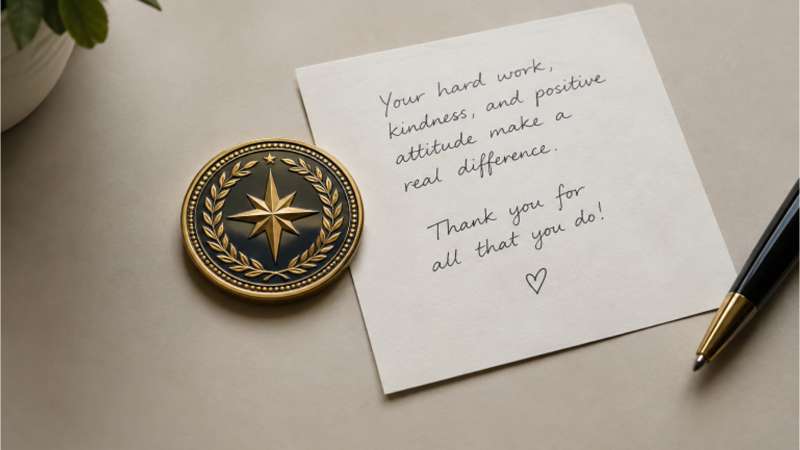
Recognition programs give organizations a practical way to show that effort, teamwork, and values matter. In distributed workplaces, a thoughtful program can make contributions easier to see, whether the recognition is a private message, a team celebration, or a lasting keepsake from challengecoincountry.com to commemorate an important achievement.
The strongest programs do not treat appreciation as a once-a-year event. They create regular opportunities to acknowledge the work people do, the problems they solve, and the ways they support colleagues. Recognition should complement fair pay, manageable workloads, career development, and respectful leadership, not replace them.
Why Recognition Matters More in 2026
Hybrid, remote, and frontline work can make good work less visible. A person who prevents a customer issue, trains a new hire, maintains a safe process, or helps a teammate meet a deadline may not always be in the room when leaders discuss results. Consistent recognition helps make those contributions part of the team’s shared story.
Employee recognition can be informal or formal, private or public, and individual or team-based. A useful overview of employee recognition reflects that range, which is important because no single form of appreciation will fit every person or situation.
Start With a Clear Purpose
Before choosing awards, gifts, or software, define what the program is meant to accomplish. A clear purpose keeps recognition from becoming random or performative. Common goals include improving morale, reinforcing values, celebrating service, supporting safety, encouraging innovation, and recognizing often-overlooked work.
For example, a company that wants more collaboration should not reward only individual sales totals. It could recognize employees who share useful information, help another department solve a customer problem, or mentor colleagues through a difficult project.
Choose What Deserves Recognition
Build criteria around observable actions and meaningful outcomes. Avoid vague standards such as “great attitude” unless the nomination explains the behavior behind the praise.
- List behaviors that reflect the organization’s values.
- Identify milestones that matter, including service anniversaries and project completions.
- Recognize everyday reliability alongside major wins.
- Include mentorship, problem-solving, improvement, teamwork, and customer care.
- Review the criteria to ensure visible roles are not the only roles rewarded.
Build a Balanced Recognition Program
A balanced program uses several forms of appreciation. A quick thank-you can be appropriate for daily effort, while a milestone may call for a ceremony or a lasting award. Federal guidance on honorary and informal awards similarly distinguishes between frequent informal recognition and symbolic awards for significant contributions.
- Private thank-you messages or calls.
- Public praise during team meetings.
- Peer nominations and colleague-to-colleague appreciation.
- Written notes from managers or senior leaders.
- Service awards, learning opportunities, meals, or team celebrations.
- Memorable keepsakes for major achievements and milestones.
The meaning behind the gesture matters more than its price. A generic item with no explanation may be forgotten, while a specific note that explains the person’s impact can carry real value.
Make Recognition Personal
A useful message answers four simple questions: What did the person do? Why did it matter? Which shared value did it demonstrate? How did it help the team, customer, or organization?
Recognition Message Examples
- Project leader: “You kept the launch organized, communicated risks early, and helped the team meet its deadline.”
- New employee: “You asked thoughtful questions, learned the process quickly, and helped improve the handoff checklist.”
- Long-serving team member: “Your years of dependable service and willingness to teach others have shaped this team.”
- Behind-the-scenes contributor: “Your preparation prevented delays and gave everyone else the tools to succeed.”
Use Physical Keepsakes With Purpose
Commemorative coins, plaques, pins, medals, engraved items, and framed certificates can give a major occasion a lasting form. Match the design to the achievement, use symbols meaningful to the group, keep wording readable, and include a date, team name, or recipient when it adds context.
A keepsake works best when it supports a personal presentation. Tell the story of the achievement, explain why it matters, and present the item with direct thanks. That context turns an object into a reminder of a meaningful moment.
Include Remote and Frontline Employees
Programs should be designed for people who do not work at headquarters. Offer digital and physical options, accept nominations across locations, ship awards when needed, and schedule celebrations with time zones in mind. Field, warehouse, service, support, and office employees should all have a reasonable opportunity to be seen.
Keep the Process Fair and Inclusive
Recognition loses credibility when it repeatedly goes to the loudest employees, the most popular people, or those closest to senior leaders. Publish the criteria, provide more than one nomination route, track recognition by department and role, and ask employees whether the process feels understandable and fair.
Fairness does not mean every person receives the same reward. It means clear standards are applied consistently, and people have a realistic chance to have their contributions noticed.
Set a Budget and Measure Results
Organizations can begin at different budget levels. Low-cost options include personal notes, peer shout-outs, and thank-you calls. Moderate options include meals, event tickets, learning funds, or small gifts. Milestone budgets can cover custom keepsakes, service awards, and ceremonies. Set annual limits and approval rules before launch.
Review participation by team and location, manager and peer nominations, employee feedback, engagement survey responses, retention patterns, and activity among remote or frontline workers. No single metric proves success, so combine data with short surveys and open comments.
A Simple 30-Day Launch Plan
- Days 1 to 5: Define the purpose and choose three to five recognition categories.
- Days 6 to 10: Ask employees what recognition feels meaningful to them.
- Days 11 to 15: Create clear nomination rules and manager guidance.
- Days 16 to 20: Choose communication channels, award options, and budget limits.
- Days 21 to 25: Pilot the program with one team or department.
- Days 26 to 30: Gather feedback, address weak points, and prepare a wider rollout.
Keep Recognition Fresh
Refresh the program as team needs change. Rotate quarterly themes, feature different departments, update categories when priorities shift, and share short stories that explain why each contribution mattered. Reviewing the program at least twice a year helps prevent it from becoming predictable or disconnected from the work people actually do.
Conclusion
A strong recognition program does not need to be expensive or complicated. It needs to be clear, fair, personal, and consistent. When organizations celebrate both major achievements and everyday contributions, they give people more reasons to feel connected to their work and to one another.