
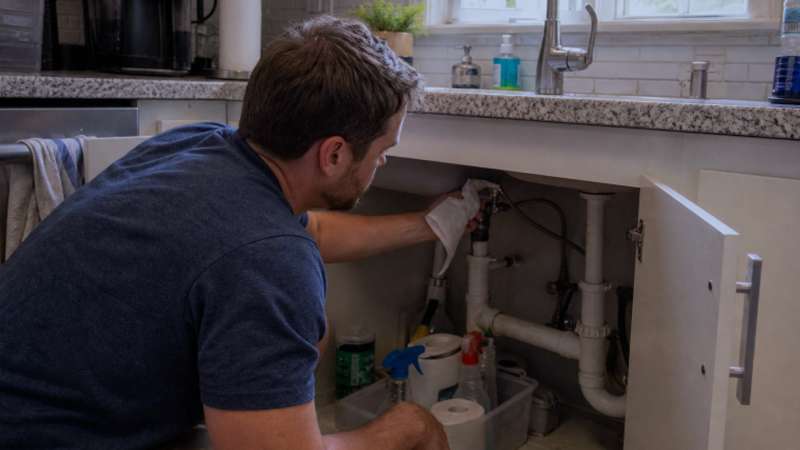
A dripping kitchen or bathroom faucet can seem minor, especially in a busy Charlotte, North Carolina, household, but the right response depends on where the water is coming from and how well the fixture is holding up overall. A trusted faucet repair plumber in Charlotte can identify whether the issue is a worn internal part, a failing supply connection, or a fixture that has reached the end of its useful life.
For homeowners across Charlotte, from older homes with aging plumbing connections to newer properties with upgraded kitchens and baths, acting early can help limit water waste and protect the cabinet space beneath the sink. The decision is not always repair versus replacement in the abstract. It is about the condition of the faucet, the availability of parts, the extent of moisture damage, and the household’s daily needs.
Why A Small Faucet Leak Matters
A faucet drip is easy to ignore until it becomes a larger issue. According to household leak statistics from the EPA, the average family can waste 9,400 gallons of water each year through household leaks. Even when a faucet leak is not the only source, it deserves attention before it adds to unnecessary water use and utility costs.
Water that escapes beneath a sink can be more urgent than a visible drip from the spout. Moisture can stain or swell cabinet materials, damage stored cleaners and paper products, and reach nearby flooring. Charlotte’s warm, humid conditions can also make it especially important to dry a damp cabinet promptly rather than allowing moisture to remain trapped in a closed space.
How To Find The Source Of The Leak
Before removing handles or buying parts, take a few minutes to pinpoint the water’s path. A clean, dry surface makes the source easier to see.
- Dry the faucet, handles, spout, supply lines, shutoff valves, and cabinet floor.
- Run both hot and cold water, then watch for the first place where moisture appears.
- Check whether water comes from the spout, a handle, the faucet base, or a fitting below the sink.
- Wrap a dry paper towel around supply connections and valve fittings to reveal slow seepage.
- Notice whether the leak occurs only while water runs or continues after the faucet is shut off.
Common Causes Of Faucet Problems
Many faucet problems originate in parts designed to wear over time. Washers, seals, O-rings, cartridges, and valve stems can fail and allow water to pass where it should not. A leak at the handle may point to an internal seal, while a steady drip from the spout may involve a cartridge, stem, or washer.
Other issues are outside the faucet body. Loose supply connections, deteriorated hoses, mineral buildup on an aerator, cracked handles, loose mounting hardware, corrosion, or excessive water pressure can all affect performance. Low flow or an uneven spray may be caused by debris in the aerator, but recurring pressure changes throughout the home call for a broader plumbing assessment.
Repair Or Replace: How To Decide
When Repair May Make Sense
- The faucet body, finish, handles, and mounting hardware are still in good condition.
- The problem appears limited to a replaceable washer, seal, cartridge, aerator, or connection.
- Compatible replacement parts are readily available.
- The faucet has not required repeated service for the same problem.
- The fixture fits the sink well and meets the household’s needs.
When Replacement May Make More Sense
- The faucet has several problems, such as a leak, corrosion, a loose base, and poor water flow.
- The faucet body is cracked, heavily worn, or difficult to disassemble without damage.
- The same leak returns after appropriate repairs.
- Needed parts are discontinued or difficult to obtain.
- The combined cost of parts and labor approaches the value of a dependable new fixture.
A replacement can also be an opportunity to improve daily use. For example, a Charlotte family that frequently fills large pots may prefer a practical pull-down kitchen faucet, while a compact bathroom vanity may need a low-profile design that prevents splashing.
Safe Checks Homeowners Can Try
Some simple checks are reasonable for homeowners who are comfortable working carefully around plumbing. Clean a removable aerator to clear visible buildup, confirm that shutoff valves beneath the sink can turn off the water, and gently snug a visibly loose connection with the correct wrench. A small container beneath a minor drip can protect the cabinet while repair arrangements are made.
Do not force seized parts or overtighten fittings, because either action can crack components or worsen a leak. Avoid treating a wet cabinet as a cosmetic issue. Corroded valves, damaged hoses, persistent moisture, or water near electrical equipment should be handled by a professional.
Choosing A Water-Efficient Replacement
When replacement is the better option, compare more than finish and handle style. Check the faucet’s flow rate, the number and spacing of sink holes, supply-line connections, clearance behind the faucet, and the size of the sink basin. A fixture should match the countertop layout and leave enough room for handles or pull-down hoses to operate properly.
Water-efficient models can be worth considering, particularly for frequently used bathroom faucets. WaterSense-labeled faucets are certified to use less water while meeting performance criteria, but a good installation still requires secure connections and a fixture that suits the household’s routine.
When To Call A Plumbing Professional
Professional help is advisable when water pools inside the cabinet, a shutoff valve will not close, or the leak appears to come from a supply line or the wall. Call for service as well if the faucet is seized, cracked, or heavily corroded, or if there are signs of cabinet swelling, staining, mold growth, or damaged flooring.
Changes affecting several fixtures, such as inconsistent pressure, reduced flow, or leaks appearing in multiple locations, may indicate that the issue extends beyond one faucet. Prompt evaluation can help prevent a small fixture problem from becoming a larger home repair.
What Can Affect Repair And Replacement Costs
Pricing depends on the faucet type and age, access under the sink, the availability of parts, and the condition of shutoff valves and supply lines. Corrosion, restricted work space, damaged cabinetry, plumbing adjustments, and emergency scheduling can also affect the scope of work. Before service begins, ask for a clear description of the problem, the proposed repair or replacement, including parts, labor charges, and warranty terms.
Ways To Prevent Future Faucet Problems
Routine attention can help Charlotte homeowners catch moisture before it damages finishes or cabinets. The EPA’s guidance for maintaining water-using fixtures encourages regular leak checks and prompt repairs when problems are found.
- Inspect faucets, supply hoses, and cabinet floors every few months.
- Clean aerators when the flow weakens or the stream begins to spray unevenly.
- Keep the area beneath sinks dry and uncluttered.
- Use handles gently instead of forcing them closed.
- Replace brittle or deteriorated supply hoses before they fail.
- Pay attention to new changes in water pressure, temperature, or faucet operation.
Final Takeaway
A faucet with one worn, serviceable component may need only a straightforward repair. Repeated leaks, corrosion, failing hoses, a cracked body, or unavailable parts can make replacement the more practical long-term choice. A careful inspection helps Charlotte, North Carolina, homeowners protect their cabinets, reduce wasted water, and choose a solution that fits both the fixture and the home.