
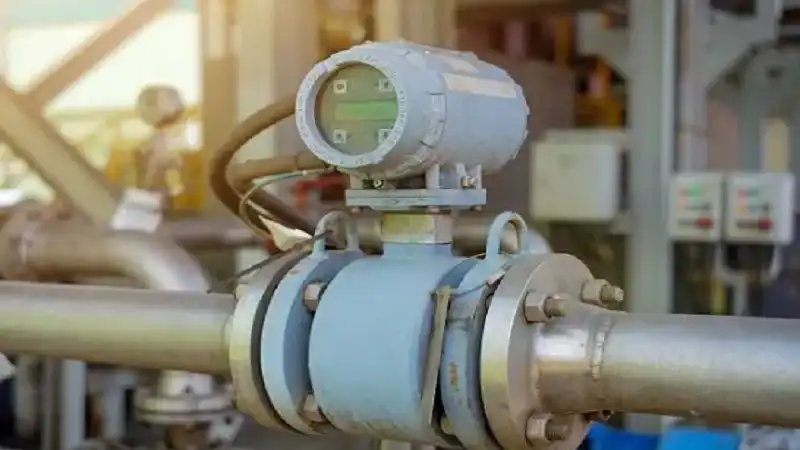
Introduction: The Hidden Impact of Valve Performance on Facility Budgets
Managing a modern commercial facility requires a constant balancing act between operational efficiency and stringent budget constraints. At the core of this challenge lies the building’s fluid control network, managing chilled water, steam, and potable water.
When upgrading a commercial facility’s HVAC or water treatment infrastructure, standard off-the-shelf components often fail to meet specific pressure, temperature, and media requirements. Partnering with a specialized industrial valve manufacturer, such as Vincer, ensures that facility managers receive highly tailored electric and pneumatic actuation solutions that integrate seamlessly, minimizing energy loss and preventing costly system downtimes.
Failing to address outdated flow control mechanisms invariably leads to systemic inefficiencies. It is critical for facility directors to understand that valve performance directly dictates long-term capital preservation.
Why Fluid Control is the Heart of Commercial HVAC and Water Systems
Commercial HVAC and water distribution systems operate under continuous stress, demanding precise thermal and hydraulic regulation. Every degree of temperature fluctuation or drop in fluid pressure impacts the chiller loads and boiler efficiency.
Valves act as the primary gatekeepers of these complex thermodynamic cycles. If a control valve fails to modulate accurately, the system overcompensates, leading to excessive pump wear and skyrocketing electrical consumption.
A well-optimized fluid control architecture ensures that media flows at the exact gallons per minute (GPM) required for peak heat exchange. This reduces unnecessary thermal losses and stabilizes the building’s overall energy footprint.
Recognizing the Signs of Aging Valve Infrastructure
Identifying failing infrastructure early is the cornerstone of effective facility management. One of the most immediate indicators of valve degradation is an unexplained increase in the monthly utility index.
Internal wear on valve seats often results in fugitive emissions or silent internal fluid bypass. This means pumps and chillers are forced to run longer cycles to maintain setpoints, masking the mechanical failure through higher energy use.
Additionally, operators should listen for the physical symptoms of hydraulic stress. Audible water hammer, excessive pipeline vibration, or visible weeping around the valve stem packing are clear warnings that the actuation system requires immediate retrofitting.
Electric vs. Pneumatic Actuation: Choosing the Right Automation for Your Building
Modernizing a facility’s infrastructure requires a strategic choice between electric and pneumatic valve actuators. The decision must be based on the availability of existing utilities and the specific mechanical demands of the zone.
Neither technology is universally superior; their efficacy depends entirely on the application’s required response time, modulation precision, and environmental conditions.
The Precision and Efficiency of Electric Actuated Valves
Electric actuated valves are the undisputed choice for applications requiring highly stable, micro-adjustments. By utilizing geared motors, they provide a rigid, non-compressible torque delivery system.
- Continuous Modulation: Electric actuators seamlessly process 4-20mA or 0-10V control signals, allowing for exact flow positioning without drifting.
- Infrastructure Simplicity: They do not require a network of air compressors or pneumatic tubing, making them ideal for high-rise HVAC retrofits where space is limited.
- Data Integration: Modern smart electric actuators interface directly with Building Management Systems (BMS), providing real-time diagnostics and fault alerts.
Because they operate at a controlled, steady speed, electric actuators naturally prevent sudden hydraulic shocks, safeguarding aging piping infrastructure from catastrophic ruptures.
High-Cycle Reliability of Pneumatic Systems
Pneumatic actuated valves utilize compressed instrument air to drive a mechanical piston or diaphragm. They are characterized by their rugged simplicity and exceptional operational speed.
- Instantaneous Response: Pneumatic systems can cycle from fully open to fully closed in fractions of a second, which is critical for emergency isolation protocols.
- Mechanical Fail-Safe: Featuring internal spring-return mechanisms, these actuators automatically default to a safe position (Fail-Open/Closed) if the building loses power.
- High-Cycle Endurance: Without internal motors to overheat, pneumatic valves easily endure continuous, rapid-fire cycling in heavy-duty cooling tower applications.
For industrial-grade cooling loops or areas with harsh environmental exposures, the mechanical resilience of pneumatic actuation remains unmatched.
Core Maintenance Strategies for Automated Valve Systems
Even the most advanced automated valves require a structured maintenance protocol to ensure continuous reliability. Moving from a reactive repair model to a proactive maintenance framework is essential for protecting facility budgets.
Establishing clear, trackable inspection routines drastically reduces the frequency of emergency call-outs and extends the overall lifecycle span of the fluid control network.
Routine Inspection Checklists for Solenoid and Control Valves
A systematic approach to routine inspections captures minor mechanical deviations before they escalate into systemic failures. Facility teams should execute these checks quarterly.
- Visual Leak Detection: Inspect all stem packing, flange gaskets, and actuator housing joints for microscopic weeping or mineral deposits.
- Stroke Testing: Cycle the control valves through their full range of motion to verify smooth operation and confirm there is no sticking or mechanical binding.
- Signal Calibration: Verify that the digital command from the BMS perfectly matches the physical position of the valve disc or plug.
For solenoid valves, engineers should also check the magnetic coils for thermal discoloration and listen for abnormal AC humming, which indicates voltage irregularities.
Preventing Costly Downtime Through Predictive Maintenance
Predictive maintenance utilizes real-time data to forecast component degradation. By tracking historical wear patterns, facility managers can order replacement parts well ahead of a scheduled shutdown.
Integrating smart positioners allows the maintenance team to monitor friction data and cycle counts continuously. If a valve requires increasingly more torque to close, the system flags the anomaly.
This data-driven approach eliminates the guesswork from facility budgeting. It ensures that capital is spent exactly when and where it is needed, virtually eliminating unexpected system downtime.
Key Considerations When Sourcing Valve Replacements
Procuring replacement valves for a commercial building is not a simple part-number matching exercise. It demands a thorough review of the system’s evolving hydraulic parameters and chemical media.
Facility engineers must verify that the new components meet the exact operational stresses of the current infrastructure, which may have shifted significantly since the building was originally commissioned.
Material Compatibility and Pressure Ratings
The metallurgical makeup of the valve body and its internal seals dictates its survivability. Selecting the wrong material can lead to rapid galvanic corrosion or seal blowout.
- Valve Bodies: While Bronze or Cast Iron is sufficient for standard chilled water, aggressive cooling tower treatment chemicals may require 316 Stainless Steel.
- Elastomer Seals: Specify EPDM for water applications, but strictly avoid it if any petroleum-based lubricants or hydrocarbon media are present in the line.
- Pressure Class: Always verify the ANSI/ASME pressure class (e.g., Class 150, Class 300) to ensure the valve can withstand both normal operating pressure and peak surge events.
Partnering with Specialized Valve Manufacturers for Custom Solutions
Relying strictly on wholesale distribution catalogs often forces facilities into compromising on face-to-face dimensions or flow coefficients. Direct factory partnerships offer a strategic advantage.
Working with specialized manufacturers allows for the custom machining of mounting brackets and the pre-calibration of digital positioners, accelerating the on-site installation process.
To ensure that your newly upgraded fluid control systems contribute to the overall building energy efficiency, it is crucial to verify that all components align with established operational guidelines. Referencing the strict commercial building and energy standards set forth by recognized organizations like ASHRAE can help facility managers benchmark their systems’ performance and maintain full compliance with modern environmental regulations.
Key Takeaways
| Area | Key Takeaway | Impact/Data |
| Electric | Deploy for precise HVAC modulation and direct BMS integration. | Prevents hydraulic shocks; eliminates air compressor infrastructure. |
| Pneumatic | Use for high-cycle cooling towers and emergency isolation. | Provides sub-second response and mechanical power-loss fail-safes. |
| Maintenance | Transition to predictive maintenance using smart positioners. | Flags torque anomalies early, eliminating unexpected downtime. |
| Sourcing | Specify materials exactly to chemical media and pressure class. | Prevents galvanic corrosion and ensures ASHRAE compliance. |
Conclusion: Future-Proofing Your Facility’s Infrastructure
Upgrading commercial HVAC and water systems with precision automated valves is a direct investment in the facility’s operational future. It shifts the operational paradigm from continuous firefighting to optimized, predictable performance.
By rigorously evaluating electric versus pneumatic options and enforcing strict material procurement standards, facility managers can significantly reduce the Total Cost of Ownership (TCO). Ultimately, a well-maintained, expertly specified fluid control system is the quiet engine driving a building’s safety, compliance, and energy efficiency. See More