
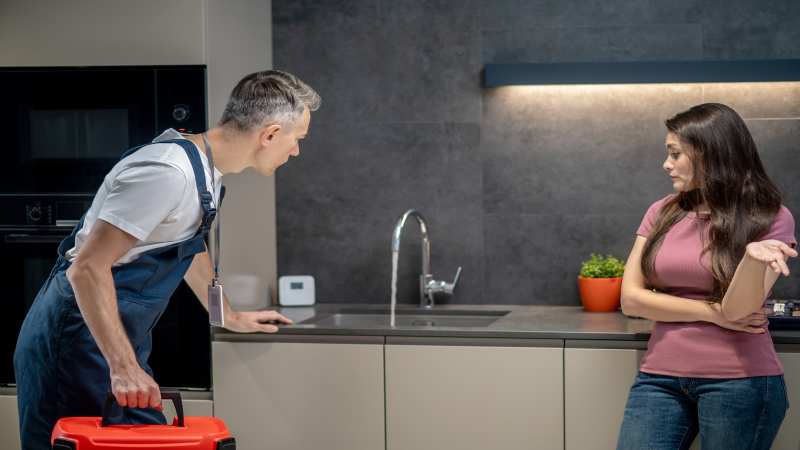
Many homeowners only notice plumbing concerns after they have become expensive or disruptive. However, many hidden household problems begin quietly behind walls, beneath floors, or inside ceilings where they remain unnoticed for months or even years. Small leaks, blocked drains, damaged pipes, and moisture buildup often create conditions that affect both the home’s structure and indoor comfort. Regular inspections by plumbers help identify these hidden issues before they develop into larger repairs.
By recognizing early warning signs and using practical inspection methods, plumbers help homeowners protect their property, reduce repair costs, and maintain a safer, healthier living environment throughout every season.
Finding Problems Before They Spread
-
Identifying Hidden Leaks Inside the Home
One of the most valuable ways plumbers help homeowners is by locating hidden leaks that are not easily visible during everyday activities. Water can escape slowly from aging pipes inside walls, under concrete slabs, or beneath cabinets without creating obvious puddles. Over time, this moisture may weaken wooden framing, damage insulation, stain ceilings, or encourage mold growth. During inspections, plumbers carefully examine water pressure, pipe connections, fixtures, and drainage systems to identify unusual changes that indicate concealed leaks.
They may also listen for unusual sounds, inspect damp areas, and evaluate water meter readings indicating continuous water flow even when fixtures are turned off. Visiting a plumbing company’s website can also provide homeowners with useful information about inspection services and maintenance options before scheduling an appointment. Detecting these hidden problems early allows repairs to remain relatively simple while preventing more extensive structural damage that could require costly restoration work later.
-
Recognizing Drainage Issues Before They Become Serious
Drainage systems often develop problems gradually, making it difficult for homeowners to recognize them until water backs up into sinks, showers, or floor drains. Plumbers understand how even a slow-moving drain may indicate developing blockages caused by grease, soap residue, food particles, mineral deposits, or invading tree roots. Rather than simply clearing a visible clog, they evaluate the condition of the entire drainage system to determine whether deeper issues are developing further along the pipes.
Early detection helps prevent overflowing fixtures, unpleasant odors, pipe damage, and wastewater backups that can affect several parts of the home. Careful inspections also reveal sections of pipe that may have shifted, cracked, or deteriorated due to age or ground movement. Addressing these concerns before complete blockages occur reduces the likelihood of emergency plumbing situations and helps keep household drainage operating efficiently throughout the year.
-
Detecting Moisture That Can Damage the Structure
Water does not need to flow heavily to create significant damage inside a home. Even slow moisture accumulation can gradually affect drywall, flooring, support beams, and foundations if left unnoticed. Plumbers pay close attention to subtle signs of moisture that homeowners may overlook, including slight discoloration, warped flooring, peeling paint, soft drywall, or unusual humidity levels in enclosed spaces. These observations often reveal plumbing issues that have been developing quietly over long periods. Once the moisture source is identified, repairs can begin before structural materials weaken further or mold begins spreading throughout hidden areas.
Preventing prolonged exposure to moisture also protects flooring materials, cabinetry, insulation, and electrical components near leaking pipes. Early intervention helps preserve the home’s long-term condition while reducing the risk of extensive renovation that might otherwise be necessary after prolonged water exposure.
-
Checking Water Pressure and Pipe Performance
Consistent water pressure contributes to both household comfort and the overall health of the plumbing system. Plumbers evaluate pressure levels because unusually high or low readings often indicate hidden issues in the pipes. Excessively high pressure may place unnecessary stress on fittings, valves, and appliances, increasing the chance of leaks or burst pipes over time. Low pressure, on the other hand, may signal mineral buildup, partially blocked pipes, hidden leaks, or aging plumbing materials that have gradually restricted water flow.
During inspections, plumbers also assess pipe condition by examining corrosion, loose connections, worn valves, and aging components that may soon require replacement. Identifying these performance issues early helps homeowners avoid unexpected failures while improving the reliability of water delivery throughout the house. Maintaining balanced pressure also supports the longevity of plumbing fixtures, water heaters, washing machines, and other household appliances connected to the plumbing system.
-
Discovering Early Signs of Sewer Line Problems
Many serious plumbing emergencies originate below ground, where sewer lines remain completely hidden from view. Small cracks, shifting soil, root intrusion, or gradual pipe deterioration can interfere with wastewater flow long before visible symptoms appear inside the home. Plumbers recognize subtle warning signs such as recurring drain clogs, slow drainage throughout multiple fixtures, unpleasant odors, or patches of unusually green grass above underground sewer lines. These indicators often suggest developing problems that deserve immediate attention before sewage backups occur.
Careful inspections allow plumbers to determine whether repairs are needed in isolated sections or whether broader maintenance is needed to restore proper flow. Early detection reduces disruption to daily life while preventing extensive excavation, landscaping damage, and sanitation concerns. Addressing sewer issues before complete failure helps homeowners maintain healthier living conditions and avoid more expensive repair projects later.
-
Preventing Future Household Damage Through Routine Inspections
Routine plumbing inspections offer much more than immediate repairs; they provide opportunities to identify emerging household problems before visible damage occurs. During scheduled visits, plumbers examine water heaters, exposed pipes, shutoff valves, supply lines, outdoor plumbing, and other components that often experience gradual wear. These inspections help uncover loose fittings, minor corrosion, aging seals, and small leaks before they develop into emergencies.
Homeowners also gain valuable information about maintaining plumbing systems throughout changing seasons, reducing unnecessary strain on pipes and fixtures. Regular monitoring creates a clearer understanding of the home’s plumbing condition, allowing maintenance to be planned rather than performed during unexpected emergencies. By identifying concerns early, homeowners reduce repair costs, extend the life of plumbing components, and preserve the overall condition of their property while avoiding many hidden problems that often go unnoticed over time.
Hidden plumbing problems rarely disappear on their own, and delaying inspections often allows small issues to develop into major repairs. Plumbers play an important role in protecting homes by identifying concealed leaks, drainage concerns, moisture buildup, pressure irregularities, and underground sewer problems before they cause widespread damage. Their careful inspections provide homeowners with valuable insight into the condition of their plumbing systems and allow repairs to be completed while problems remain manageable.
Regular maintenance not only protects the home’s structure but also supports healthier indoor conditions, dependable water service, and greater peace of mind for families seeking to prevent costly household damage in the future.