
During the final phases of a commercial construction project, the floor underfoot represents a massive portion of the interior budget. Whether the design specifies architectural polished concrete, intricate terrazzo, or premium large-format porcelain tile, these finishes are intended to be the jewel of the building’s presentation. Yet, long before the ribbon-cutting ceremony, this expensive real estate is subjected to a relentless onslaught of heavy foot traffic, rolling drywall carts, falling tools, welding sparks, and accidental chemical spills.
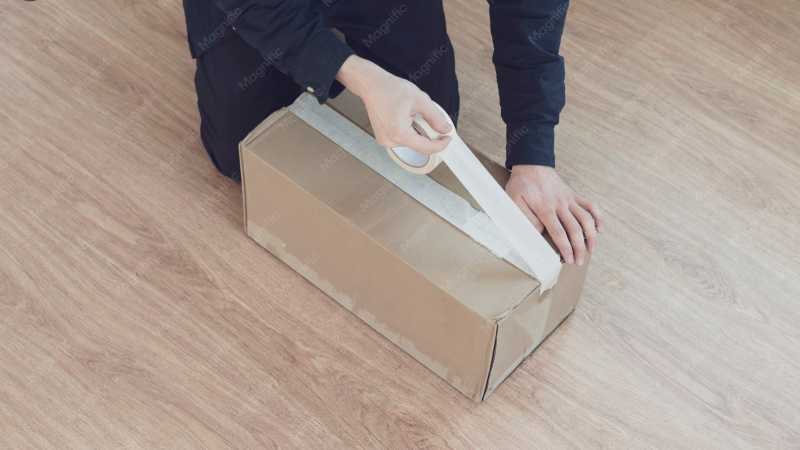
To safeguard this investment, the historical default for many general contractors has been a combination of corrugated cardboard, rosin paper, and heavy-duty tape. It is a familiar sight on jobsites worldwide. However, as modern architectural finishes demand tighter handovers and flawless execution, this traditional defensive strategy is proving to be a costly illusion.
The Mechanics of the Abrasive Sandwich
The primary vulnerability of loose-laid paper or cardboard coverings is their complete structural independence from the floor beneath them. When sheets of protective material are simply taped together at the seams, they sit loosely on top of the substrate. As scissor lifts turn, workers walk, and heavy pallets are dragged across the room, the entire temporary floor covering shifts and stretches.
This movement creates a highly destructive mechanical phenomenon known as the abrasive sandwich. No matter how thoroughly a jobsite is swept before the protection is laid, fine concrete dust, ambient drywall grit, and microscopic metal shavings inevitably find their way underneath the edges. When a heavy piece of machinery rolls over a loose sheet of cardboard, the paper moves slightly under the tire. That movement turns the trapped grit underneath into an aggressive, coarse sandpaper. The workers believe the floor is safe because it is covered, but underneath, the relentless shifting is silently grinding fine micro-scratches into the pristine finish, stripping away the gloss of polished stone long before the client ever takes possession.
[Traditional Cardboard] –> Shifts Under Traffic –> Traps Grit Underneath –> Grinds & Scratches Finish
[Adhered Shielding] –> Bonds to Substrate –> Blocks All Debris –> Preserves Pristine Surface
The Threat of Liquid Penetration and Chemical Bleed
A secondary, catastrophic failure mode of traditional paper-based protection is its complete lack of fluid resistance. Construction sites are notoriously damp and prone to spills. Hydraulic fluid leaks from scissor lifts, dropped morning coffees, wet mortar splatters, and stray overspray from painters are routine occurrences.
When a liquid hits standard cardboard or rosin paper, the material acts like a sponge. It absorbs the fluid and holds it directly against the porous substrate below. If hydraulic oil or highly pigmented coffee sat on top of bare, unsealed concrete, it could be quickly wiped away.
Trapped beneath a soggy layer of cardboard, however, the liquid has hours—or days—to deep-chemically penetrate the pores of the stone. By the time the temporary covering is peeled up at the end of the project, the stain has migrated so deep into the matrix of the floor that standard buffing cannot remove it. The contractor is left facing a devastating, unbudgeted remediation process that requires deep diamond grinding or full slab replacement.
Eliminating the Gap with Temporary Adhesion
To break out of this cycle of reactive repairs and expensive punch-list callbacks, modern project managers are shifting away from unanchored coverings and adopting integrated, surface-adhered systems. True protection requires eliminating the physical space between the defensive barrier and the finished floor.
This advanced level of security is achieved by replacing loose-laid paper with a dual-layer, temporarily bonded shield. Utilizing the skudo commercial system transforms surface protection from an unanchored tarp into a literal second skin for your floor. By rolling a water-based liquid base coat directly onto the substrate and pressing a heavy-duty, pre-treated traffic mat into the wet coating, installers create a continuous, slip-resistant barrier that adheres firmly to the surface.
Because this matrix is physically bonded to the floor, it is impossible for fine dust or construction grit to migrate underneath. If a forklift spins its wheels or a cart turns sharply, the mat stays completely stationary, absorbing the shear force and protecting the stone beneath from friction damage. Furthermore, the specialized composition acts as an absolute liquid barrier, repelling harsh chemicals, paint, and water while remaining completely fire-retardant against welding sparks.
The Economic Reality of the Handover
In 2026, the margins on commercial construction projects are tighter than ever. A general contractor cannot afford to lose their profit margin during the final two weeks of a project because a sub-trade damaged a custom terrazzo lobby floor. The historical mindset that views surface protection as a low-cost, disposable afterthought ignores the true math of jobsite liability. The cost of purchasing and installing a premium, adhered protection system is a fraction of the cost required to remediate, repolish, or replace a damaged architectural floor.
By moving beyond the outdated checkbox of cardboard and tape and investing in advanced, peel-away defensive technology, forward-thinking builders are future-proofing their operations. They ensure that when the final cleanup crew walks off the site, the floor revealed to the client is in the exact pristine condition that the architect envisioned. True structural integrity isn’t just about building the project right; it is about having the discipline and the foresight to protect that craftsmanship from the harsh realities of the build itself.