
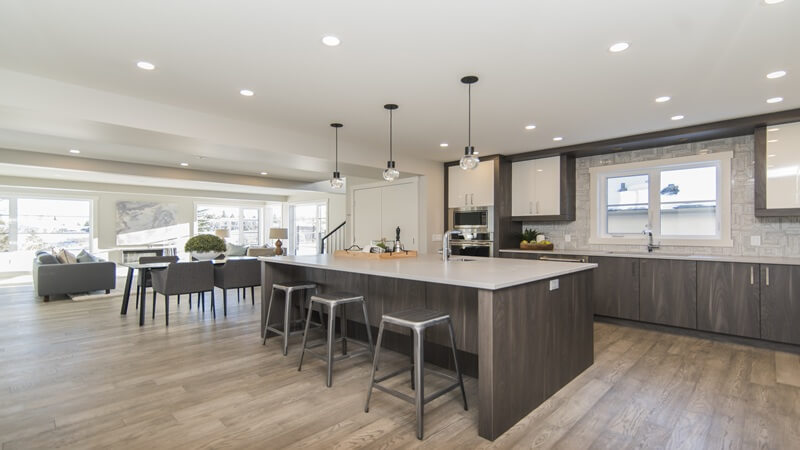
A Whole-home remodeling project is one of the most powerful ways to transform a house into a modern, comfortable, and highly functional living space. Instead of fixing one room at a time, this approach allows you to redesign your entire home under one clear vision. As a result, you get better flow, consistent style, improved efficiency, and stronger long-term value.
In this complete guide, I will walk you through everything you need to know about planning, budgeting, and executing a full renovation. You will learn how the process works, what it costs, what benefits you can expect, and how to avoid the most common mistakes. If you want to upgrade your lifestyle and increase your property’s value at the same time, this article will give you a clear roadmap.
What Is Whole-Home Remodeling?
Whole-home remodeling means renovating most or all parts of your house at the same time. This usually includes structural changes, new layouts, updated electrical and plumbing systems, new flooring, modern kitchens and bathrooms, and fresh finishes throughout the home.
Unlike small renovations, this type of project focuses on the big picture. You do not just replace cabinets or paint walls. Instead, you rethink how your home works, how rooms connect, and how the space supports your daily life.
For example, many homeowners choose to:
-
Open up closed floor plans
-
Add more natural light
-
Improve storage and circulation
-
Upgrade insulation and energy efficiency
-
Modernize outdated designs
Because everything happens under one master plan, the result feels intentional and cohesive rather than patched together over time.
Why Homeowners Choose a Full Remodel
There are many reasons people decide to renovate their entire home instead of doing it room by room. First of all, lifestyles change. Families grow, work-from-home becomes normal, and needs evolve. Secondly, older houses often hide serious problems like outdated wiring, poor insulation, or inefficient layouts.
Here are some of the most common motivations:
-
The home looks outdated and no longer fits your taste
-
The layout feels cramped or poorly organized
-
Utility bills are too high because of low energy efficiency
-
You want to increase resale value before selling
-
You want to stay in the same location but upgrade your living quality
Instead of moving, many people find it smarter and more emotional to transform the home they already love.
The Step-by-Step Remodeling Process
A successful renovation always follows a structured process. When you understand each phase, you can avoid stress, delays, and costly mistakes.
1. Define Your Goals and Budget
Start by writing down your priorities. Ask yourself:
-
Do you want more space or better flow?
-
Do you want a modern or classic style?
-
Do you need better energy efficiency?
-
Which areas matter the most: kitchen, bathrooms, living areas, or bedrooms?
Start by clearly defining your goals and priorities for the renovation. Think about whether you need more space, improved functionality, or a fresh, modern look. Consider how each change will enhance your daily living experience and add value to your home. After that, set a realistic budget. If you are considering upgrades like a home lift, it is wise to research home elevator costs early in the planning stage so you can align this feature with your overall renovation goals. This step is essential because it helps you make practical decisions, avoid overspending, and plan each phase of the project effectively. Make sure to include a small contingency fund for unexpected costs so your renovation stays on track without unnecessary stress. Always include a 10–20% contingency fund for surprises like hidden water damage or old wiring. Clear goals and a clear budget will guide every decision later.
2. Hire the Right Professionals
You should work with experienced designers and licensed contractors who have done similar large projects before. Many homeowners prefer a design-build firm because it combines design and construction under one team. This approach improves communication and reduces mistakes.
Always check:
-
Portfolio of past projects
-
Reviews and references
-
Licensing and insurance
A strong team will save you time, money, and stress.
3. Develop Detailed Plans
At this stage, your designer will create:
-
Floor plans and layout options
-
3D visualizations or renderings
-
Material and finish selections
-
A realistic construction timeline
Make sure you finalize all major decisions before construction begins. Changes during construction always cost more and cause delays.
4. Permits and Approvals
Most large renovations require building permits. Your contractor usually handles this part, but you should still understand what is happening. Inspections will also take place during construction to ensure safety and code compliance.
5. Prepare for Construction
Because the entire house will be under construction, many people choose to move out temporarily. If you stay, prepare for noise, dust, and limited access to rooms.
Before work starts:
-
Remove furniture and personal items
-
Protect anything that stays on site
-
Plan temporary living arrangements if needed
6. Construction and Inspections
Construction usually happens in phases:
-
Demolition
-
Structural changes
-
Electrical and plumbing
-
Insulation and drywall
-
Flooring, cabinets, and finishes
-
Painting and final details
Inspectors will visit at different stages to approve the work.
7. Final Walkthrough and Move-In
At the end, you will walk through the house with your contractor and create a punch list of small fixes or adjustments. Once everything is completed, you can make the final payment and move back into your transformed home.
Key Benefits of Remodeling Your Entire Home
Choosing a full renovation instead of separate projects offers several powerful advantages.
1. Cohesive Design
Because everything follows one plan, your home will have consistent:
-
Colors
-
Materials
-
Flooring
-
Lighting style
-
Design language
This makes the entire space feel balanced and professional.
2. Better Cost Efficiency
Although the upfront cost feels high, doing everything at once often saves money in the long run. You avoid repeated setup costs, repeated demolition, and repeated contractor fees. Bulk purchasing of materials also reduces costs.
3. Less Long-Term Disruption
Instead of living through construction every year, you deal with it once. After that, you can enjoy your home in peace for many years.
4. Higher Property Value
A fully updated home, especially with a modern kitchen and bathrooms, can significantly increase resale value. Buyers love homes that need no immediate work.
How Much Does It Cost to Remodel a Whole House?
Costs depend on location, size, and quality of finishes. In the UK, as of 2025:
-
The typical cost ranges from £1,200 to £2,800 per square metre
-
For a 100 m² house, that means £120,000 to £280,000
Several factors influence the final price:
-
Structural changes
-
Quality of materials
-
Kitchen and bathroom complexity
-
Electrical and plumbing upgrades
-
Custom features and built-ins
Always remember: good planning reduces wasted money.
The Four Main Types of Remodeling
Even in a full renovation, most work falls into four major categories:
1. Kitchen Remodeling
The kitchen is often the heart of the home. Modern upgrades usually include:
-
Better layout and storage
-
New cabinets and countertops; kitchen tiles for flooring and backsplash surfaces
-
Modern appliances
-
Better lighting and ventilation
A great kitchen improves both daily life and resale value.
2. Bathroom Remodeling
Bathrooms add comfort and luxury. Common upgrades include:
-
Walk-in showers or modern tubs
-
Better waterproofing
-
Modern fixtures and tiles
-
Improved lighting and ventilation
3. Home Additions
Sometimes you need more space. Additions can include:
-
Extra bedrooms
-
Home offices
-
Family rooms
-
Extended kitchens
4. Outdoor Spaces
Outdoor areas are part of modern living. Renovations often include:
-
Patios or decks
-
Landscaping
-
Outdoor kitchens
-
Better drainage and lighting
Smart Design Strategies for a Successful Remodel
To get the best results, you should think strategically.
Focus on Flow and Function
Good design is not only about beauty. It is about how you move through the space. Open layouts, clear pathways, and logical room connections make daily life easier.
Invest in Energy Efficiency
Upgrading insulation, windows, and heating systems reduces bills and improves comfort. Over time, these improvements often pay for themselves.
Choose Timeless Materials
Trends change quickly. Classic materials and neutral colors stay attractive for many years and protect your investment.
Common Mistakes to Avoid
Even good projects fail because of avoidable mistakes.
-
Starting without a clear plan
-
Underestimating the budget
-
Choosing the cheapest contractor instead of the best one
-
Changing decisions during construction
-
Ignoring permits and inspections
Planning and patience always win.
How Long Does a Full Remodel Take?
Most projects take 4 to 12 months, depending on size and complexity. Delays can happen because of:
-
Material shortages
-
Design changes
-
Permit issues
-
Hidden structural problems
A realistic timeline keeps stress under control.
Is a Full Renovation Worth It?
For most homeowners, the answer is yes. You get:
-
A home that fits your lifestyle
-
Better comfort and efficiency
-
Higher long-term value
-
A fresh emotional connection to your space
When done correctly, Whole-home remodeling is not just an expense. It is a long-term investment in your quality of life.
Final Thoughts
A full renovation is a big decision, but it is also a powerful opportunity. With the right planning, the right team, and the right mindset, you can turn an outdated house into your dream home.
The key is to stay organized, think long-term, and never rush important decisions. When you follow a structured process and focus on quality, the result will reward you for many years.
If you want a home that feels new, works better, and looks stunning from top to bottom, then Whole-home remodeling is the smartest path you can take.
For more info visit TrueBioHub