
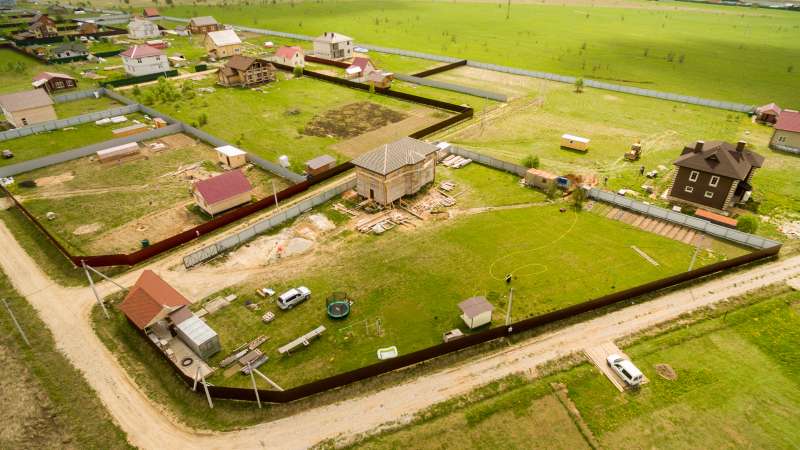
Raw land can look ready for a home, shop, barn, pond, or driveway long before it is actually ready to support any of them. A thoughtful site preparation plan turns a wooded lot, pasture, or uneven acreage into a usable construction site by addressing access, clearing, excavation, grading, drainage, and utilities in the right order. Experienced earthwork providers such as KPS Excavation understand that the ground beneath a project affects everything built above it. Site preparation should happen during design and budgeting, not after a foundation location or driveway route has already been assumed. A low area that seems harmless can become a persistent problem once roof runoff, compacted surfaces, culverts, and changed slopes redirect water across the property.
Start With A Full Property Review
Before clearing or digging, walk the full property and compare what is on the ground with the proposed layout. Confirm property lines, easements, fence lines, existing drainage paths, ditches, streams, low spots, and areas that stay wet. Note tree cover, brush, stumps, old debris, visible rock, previous fill, and signs of past disturbance. The review should also identify equipment access, material delivery routes, staging areas, and practical locations for topsoil or excavated material. Mark the intended building area, driveway, septic area, pond, utility corridor, and any vegetation that should remain. This early work helps prevent clearing too much land or placing stockpiles in locations that interfere with construction.
Use Soil Information To Guide The Plan
Soil affects how a site drains, compacts, carries loads, and responds to wet weather. Clay, sand, gravel, silt, organic material, and undocumented fill do not behave the same way under equipment or beneath a structure. Wet soil may rut under traffic, while organic layers, loose fill, and soft areas may need to be removed or addressed before construction. Available soil survey information can help property owners identify conditions that may affect foundations, septic systems, drainage, and other land uses. Depending on the project, visible site conditions, structure design, and local requirements, test pits, compaction testing, or an engineering review may also be appropriate.
Clear Land With The Final Use In Mind
Not every parcel needs full clearing. A building pad, driveway, pond basin, or utility route may require complete removal of trees, brush, stumps, roots, and unsuitable surface material. In other areas, selective clearing can preserve mature trees, privacy, shade, wind protection, and useful habitat. Forestry mulching can be useful for managing brush and small growth. Still, it does not replace grubbing where roots or stumps could interfere with foundations, finish grading, utilities, or new planting. Plan debris handling before work begins, including hauling, permitted disposal, burn restrictions, and safe stockpile locations away from drainage paths.
Plan Drainage Before Shaping The Ground
Grading should direct water away from buildings, work areas, and driveways while preventing harmful runoff from reaching neighboring land. Swales, side ditches, culverts, berms, and slope transitions can guide surface water when they are incorporated into the overall site plan. Whenever practical, retain natural drainage patterns rather than forcing water into an undersized or poorly placed channel. Construction also exposes soil to erosion. Temporary measures such as stabilized entrances, sediment controls, protected stockpiles, and prompt vegetation or surface stabilization can help keep soil where it belongs while work is underway.
Follow A Practical Work Sequence
- Confirm the layout, property limits, and intended final grades.
- Review permits, easements, environmental constraints, and local rules.
- Arrange for utility locating before excavation begins.
- Prepare temporary access for equipment and deliveries.
- Clear, grub, and remove debris only within marked work limits.
- Strip and protect usable topsoil when practical.
- Complete major cuts, fills, excavation, and drainage features.
- Install utility trenches in coordination with other earthwork.
- Place and compact suitable fill in controlled lifts.
- Finish grade the site and stabilize exposed soil.
Prepare Building Pads And Driveways For Long-Term Use
A reliable building pad starts with a suitable subgrade. Weak, organic, saturated, or otherwise unsuitable material may need to be removed before fill is placed. Suitable fill should be spread in manageable layers and compacted using methods appropriate for the material and project requirements. Before concrete or framing begins, the pad should be checked for soft areas, standing water, and grade problems. Driveways need the same attention to water and support. A smooth layer of gravel alone may not hold up if the underlying soil is weak or wet. A durable route often depends on a prepared subgrade, appropriate base material, drainage ditches or culverts where needed, a crown or cross-slope for runoff, and enough width for delivery trucks, farm equipment, and emergency vehicles. Water trapped in or beside the driveway can soften the base and contribute to ruts or washouts.
Approach Pond And Utility Work With A Complete Plan
A pond project involves more than excavating a hole. The watershed, soil suitability, dam location, spillway, sediment control, access, and intended use all matter. Livestock watering, recreation, wildlife habitat, irrigation, and stormwater storage can require different design choices. Projects near streams, wetlands, flood-prone areas, or protected land may require permits or professional input. Utility trenching deserves special attention because buried lines can create serious hazards. Before digging, confirm utility locations and determine whether private lines also need to be identified. OSHA’s excavation requirements address issues including underground installations, trench access, spoil placement, water accumulation, and protective measures. Conditions can change quickly after rain, so trench safety requires ongoing attention.
Common Mistakes That Create Rework
- Clearing the entire property before the final layout is known.
- Ignoring existing drainage until water becomes a problem.
- Building over roots, debris, organic soil, or undocumented fill.
- Working saturated soil without a plan to repair damaged subgrade.
- Using unsuitable material for a building pad or driveway base.
- Assuming all underground lines will be marked without confirming the scope.
- Leaving bare soil exposed before expected rain.
Questions Property Owners Often Ask
How early should site preparation begin?
Begin during the design and budgeting stage. Access, drainage, soil conditions, and utility routes can influence the building location, project schedule, and scope of work.
Can excavated soil be reused on the property?
Often, suitable excavated material can be reused for fill, berms, rough grading, or other planned work. Wet, organic, contaminated, or unstable material may not be appropriate for structural fill.
What should a site work estimate include?
A clear estimate should separate mobilization, clearing, grubbing, excavation, hauling, fill, compaction, drainage materials, trenching, disposal, finish grading, erosion control, and cleanup. That detail makes it easier to understand what is included and what may change if site conditions differ from expectations.
Final Checklist Before The First Dig
- Layout, access, and clearing limits are marked.
- Utilities, easements, permits, and local requirements are reviewed.
- Soil, drainage, and material stockpile plans are established.
- Equipment staging and delivery routes are practical.
- Final grades, drainage paths, and erosion controls are part of the work plan.
Strong construction begins with a clear plan for the ground beneath it. By addressing soil, water movement, access, clearing, utilities, and grading before major work starts, property owners can create a more dependable path from raw land to a functional site.